- Client-centered care
- Practical coping skills
- Focus on relationships
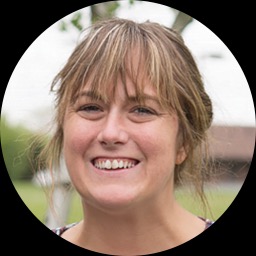
About Amanda
Amanda uses clear, goal-oriented methods to address stress, anxiety, and addiction concerns. She also supports people working through trauma, relationship strain, grief, and mood challenges such as depression and bipolar symptoms. Jealousy and communication problems are listed among areas she helps people talk through.
Her style is direct and collaborative. Amanda listens first, then suggests steps to try between sessions. She commonly uses Cognitive Behavioral Therapy to spot and change unhelpful thinking, and Dialectical Behavior Therapy skills for emotion regulation and coping. Motivational Interviewing helps when people want to make difficult changes but feel stuck.
With six years of experience, Amanda has worked with a range of life stressors and behavior concerns. She also addresses attachment questions, adoption and foster care issues, body image, eating-related problems, and impulsivity. Her practical focus is on short-term skills people can use right away.
People who choose therapy with Amanda typically complete an initial matching questionnaire and schedule sessions based on availability. Sessions are offered in English and are arranged through the service booking flow.
How Amanda’s approaches translate to online work
Amanda uses Client-Centered Therapy, Cognitive Behavioral Therapy (CBT), and Dialectical Behavior Therapy (DBT) in her practice. Client-Centered Therapy focuses on listening and building a trusting working relationship so people can tell their story and set their own goals. CBT helps identify patterns of thinking and behavior that contribute to anxiety or low mood, and introduces practical exercises to change those patterns. DBT offers concrete skills for managing intense emotions, reducing impulsive reactions, and improving interpersonal effectiveness.Choosing the right approach is part of the work together. Amanda will talk with each person about goals, preferences, and what has or hasn’t helped before. That conversation guides which methods are emphasized, and the plan can change as needs shift over time.
The practical benefits of online therapy can include greater flexibility to fit sessions into a busy schedule and fewer logistical steps to attend appointments. Because the biography does not list specific session formats, confirm current options before booking so you know how sessions will be conducted. The focus is on using methods that fit daily life and on building skills that people can practice between meetings.
Areas of expertise
Primary focus
Also works with
Additional focus areas
Therapeutic approaches
Experience
6+ years
Credentials
Indiana
Languages
English
Frequently asked questions
What kinds of concerns does Amanda address?
She helps people with stress, anxiety, addictions, trauma and abuse, anger, self-esteem, relationship and family concerns, grief, eating issues, parenting, career pressures, mood disorders, and coping with life changes.
What is her therapy style like?
The approach is client-centered and collaborative. Sessions tend to be practical, with skills and steps suggested for use between meetings.
How much clinical experience does she have?
Amanda has six years of professional work experience as an LCSW practicing in Indiana.
What credential and location information is on file?
She is a Licensed Clinical Social Worker (LCSW) in Indiana and sees clients who are served through the site in that state.
Which languages are supported for sessions?
Sessions are offered in English.
What session formats are available?
Confirm current session options before booking, as the biography does not list specific formats.
How are costs handled for sessions?
Cost varies with location and therapist availability; sessions use a subscription that can be canceled at any time.
How do I begin working with Amanda?
Use the continue button on this profile, complete a short matching questionnaire, and then schedule sessions according to therapist availability.