- Client-centered care
- CBT and DBT tools
- Trauma-informed support
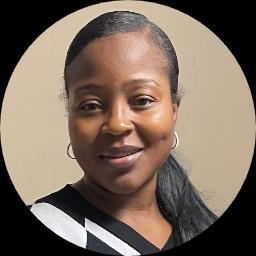
About Chrissy
She uses a client-centered approach that treats each person as the expert on their own life. Sessions are conversational and collaborative, with a treatment plan tailored to the individual. Chrissy draws on cognitive behavioral ideas to address unhelpful thoughts and DBT-informed skills for emotion regulation.
Her background includes work with people who have experienced trauma, domestic violence, and physical injury, as well as those navigating relationship strain, substance use, and complex medical or caregiving stress. She also supports people working through body image, eating concerns, and chronic illness challenges.
Chrissy values strengths and motivation. She uses motivational interviewing techniques to help clients find reasons to change and to set achievable goals. Mindfulness practices are offered when they match a client’s needs and preferences.
Sessions focus on clear goals and practical strategies. Chrissy aims to empower people to make steady progress toward better coping, improved mood, and healthier relationships. She invites clients to take the first step when they feel ready.
How her approaches translate to online therapy
Chrissy uses client-centered care that focuses on what the person needs and values. This approach means sessions center on listening, understanding a person’s goals, and co-creating a plan that fits their life. Cognitive Behavioral Therapy (CBT) is used to identify and change unhelpful thoughts and behaviors, which can be practiced in real life between sessions. Dialectical Behavior Therapy (DBT) offers practical skills for managing intense emotions and improving relationships, such as grounding and emotion regulation techniques.Finding the right approach is part of the work together. She will discuss options and test what helps most based on the client’s goals and preferences. The process is collaborative, with adjustments made as progress and challenges appear.
The biography does not list specific session formats, so confirm current options before booking. In general, online formats can make it easier to fit therapy into a busy schedule, allow shorter check-ins when helpful, and reduce travel time. Whether sessions are scheduled as longer weekly conversations or brief focused check-ins, the aim is to work practical tools and coping strategies into day-to-day life so progress can continue between meetings.
Areas of expertise
Primary focus
Also works with
Additional focus areas
Therapeutic approaches
Experience
15+ years
Credentials
South Carolina
Languages
English
Frequently asked questions
What concerns does she help with?
She works with a wide range of issues including depression, anxiety, addictions, grief, trauma and relationship problems. Additional focus areas include stress, self-esteem, caregiving strain, and body image.
What is her therapy style like?
Her style is client-centered and interactive with conversational sessions. She emphasizes respect, collaboration, and building a treatment plan tailored to each person.
How much experience does she have?
She brings 15 years of experience as a professional counselor and registered nurse. That background informs care for people with medical, trauma, or caregiving concerns.
What credentials and region does she practice in?
She holds an LPC credential and practices in South Carolina as a Licensed Professional Counselor.
Which languages are supported?
Sessions are offered in English. International clients are not currently accepted.
What session formats are available?
The original biography does not list specific session formats, so confirm current options before booking. The therapist or platform can clarify whether sessions are in-person, video, or phone.
How does payment and cost work?
Cost varies with location and therapist arrangement; sessions use a subscription that can be canceled at any time. Confirm exact fees during intake.
How do I begin working with her?
Click the continue button on this profile, complete a short matching questionnaire, and schedule according to the therapist's availability. That process will guide next steps for intake and scheduling.