- Skill building
- Person-centered care
- Practical tools
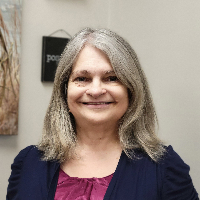
About Elizabeth
Elizabeth focuses on teaching life skills clients can use day to day. She uses straightforward strategies to manage panic, anger, low self-esteem, and work-related stress. Sessions often cover tools for communication, problem solving, and emotion regulation so people have a usable “toolbox” after therapy.
Her work draws on person-centered values. That means she listens without judgment and adapts to each person’s way of learning and changing. She aims to create a calm, respectful setting where people can name what’s getting in the way and try practical steps toward relief.
Clinically, she integrates Cognitive Behavioral Therapy (CBT), Dialectical Behavior Therapy (DBT), Motivational Interviewing, and mindfulness-informed approaches. These methods are used to build coping skills, shift unhelpful thinking, and increase emotional tolerance.
Elizabeth has particular experience supporting people affected by domestic violence, caregivers, teachers, nurses, and first responders. She also helps with family of origin issues, blended family challenges, abandonment concerns, and career stress. Her aim is steady, practical progress toward clearer goals.
How her approaches translate to online work
Client-centered therapy focuses on listening and adapting to how each person prefers to learn. In practice this means the therapist asks questions, reflects back what she hears, and adjusts pace and exercises to fit the person.Cognitive Behavioral Therapy, or CBT, looks at how thoughts, feelings, and actions connect. It uses clear, step-by-step techniques to test unhelpful thoughts and to practice new behaviors that reduce anxiety, depression, and stress.
Dialectical Behavior Therapy, DBT, offers specific skills for managing intense emotions and improving interpersonal effectiveness. It includes breathing, grounding, and communication strategies that people can try between sessions.
Finding the right approach is part of the process. The therapist will work with each person to pick methods that match their goals and preferences. That collaborative process helps tailor skill practice and homework to real life needs.
Confirm the available session formats before booking, since the biography does not specify which formats are offered. Online therapy can make it easier to fit sessions into a busy day, reduce travel time, and allow shorter check-ins when needed. People can use sessions to learn skills, review practice exercises, and get tools they can apply between meetings.
Areas of expertise
Primary focus
Also works with
Additional focus areas
Therapeutic approaches
Experience
38+ years
Credentials
Illinois
Languages
English
Frequently asked questions
What concerns does she help with?
She helps people with stress, anxiety, depression, ADHD, grief, parenting strain, anger, relationship and family issues, trauma and abuse, career problems, and compassion fatigue.
What is her therapeutic style like?
She practices from a person-centered approach and uses straightforward, skills-focused work. Sessions often teach concrete tools for managing emotions and everyday problems.
How much experience does she have?
She has 38 years of experience in the counseling field and has worked with people facing a wide range of life challenges.
What are her credentials and where is she based?
She holds an Illinois Licensed Clinical Professional Counselor credential (IL LCPC) and operates from Illinois.
Which languages are offered?
Sessions are offered in English.
Does she work with international clients?
She does not accept international clients at this time.
How does cost and payment work?
Costs vary with location and therapist availability; sessions use a subscription that can be canceled at any time.
How do I begin working with her?
Click the continue button on this profile, complete a short matching questionnaire, and then schedule based on therapist availability.