- Client-centered
- CBT tools
- Life transitions
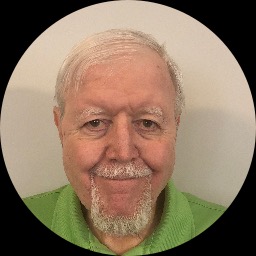
About Gary
In sessions he uses straightforward conversation to help people understand what gets in the way of change. He draws on Client-Centered Therapy to follow the client's priorities and build on existing strengths. He also uses Cognitive Behavioral Therapy to spot unhelpful thoughts and try practical experiments that can shift mood and behavior.
Gary brings an existential perspective when people face big questions about meaning, responsibility, or life transitions. That approach helps people make choices that feel more in line with their values. He aims to keep the work practical and focused on real-life concerns like relationships, work, and identity.
He has supported people with a wide range of related issues, including codependency, commitment and control issues, substance use, forgiveness, guilt, jealousy, and problems tied to aging or fatherhood. He also has experience with issues that affect first responders.
Gary encourages a steady pace and clear goals. He asks questions, listens closely, and suggests techniques people can try between sessions. To begin, he invites people to take the first step and complete the matching process to set up an initial session.
Therapeutic approaches and online options
Gary uses Client-Centered Therapy to listen and follow each person's priorities, helping build on strengths and what already works. Cognitive Behavioral Therapy is used to identify unhelpful thoughts and try small, practical experiments that can change mood and behavior. Existential Therapy helps when people face big life questions or need to make values-based decisions.Finding the right approach is part of the work. He collaborates with clients to decide which combination fits their goals, needs, and preferences. The plan can change as people learn what helps and what does not.
The biography does not list specific session formats, so confirm available options before booking. Online therapy can help fit sessions into busy lives by reducing travel time, allowing shorter check-ins, or making it easier to meet during a lunch break or between errands. Licensed professionals can guide goal-setting, offer practical exercises to try between sessions, and adapt techniques so they work in day-to-day situations.
Areas of expertise
Primary focus
Additional focus areas
Therapeutic approaches
Experience
23+ years
Credentials
Florida
Languages
English
Frequently asked questions
What concerns does Gary commonly address?
He works with people facing addictions, low self-esteem, depression, and coping with life changes. Additional areas include codependency, commitment issues, jealousy, and related problems.
What is his therapy style like?
He combines a client-centered approach with practical CBT techniques and existential reflection. The style is conversational and focused on workable steps people can try between sessions.
How long has he been practicing?
He has 23 years of professional experience providing counseling and support in his areas of focus.
What credential does he hold and where is he based?
He is a Florida Licensed Mental Health Counselor, listed as LMHC, and practices from Florida.
Can I work with him if I live outside the United States?
He accepts international clients and offers services to people outside the U.S. Sessions are conducted in English.
Which session formats are offered?
The original biography does not specify session formats. Please confirm current session options before booking so you know what is available.
How does pricing work for sessions?
Cost varies with location and therapist availability, and sessions use a subscription that can be canceled at any time.
How do I begin working with him?
Use the continue button on this profile, complete a short matching questionnaire, and then schedule according to therapist availability.