- Individualized case plans
- Warm listening approach
- Skill-focused work
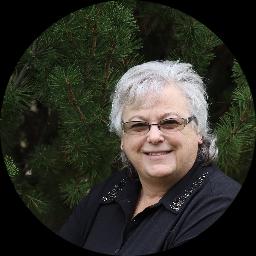
About Rhonda
She draws on client-centered therapy to build trust and understand each person's goals. Cognitive Behavioral Therapy (CBT) and Dialectical Behavior Therapy (DBT) are used to teach skills for managing emotions and changing unhelpful thinking patterns. She also uses solution-focused techniques to set small, achievable goals that fit daily life.
Rhonda has 11 years of experience working with people who have experienced trauma, custody or mediation issues, and challenges related to veteran and armed forces service. She supports those coping with infidelity and jealousy as part of broader relationship work. Her background includes a Master of Social Work from Eastern Washington University and clinical practice in Washington.
Sessions emphasize collaboration and clear, individualized case plans. Rhonda aims to offer a calming presence and practical strategies people can try between sessions. She also makes schedule adjustments when possible to help therapy fit into busy lives.
People who choose her can expect straightforward goal-setting, focused skill work, and a respectful conversational space to talk through life changes and recover from past harms.
How Rhonda’s approaches translate to online care
Client-centered therapy focuses on listening and understanding each person's experience. It helps people feel heard and sets the stage for collaborative goal setting in therapy. Cognitive Behavioral Therapy (CBT) teaches practical skills to change thinking patterns and behaviors, which can help with anxiety, depression, and relationship worries. Dialectical Behavior Therapy (DBT) provides emotion regulation and distress tolerance skills that are useful for managing intense feelings and improving responses to conflict.Finding the right approach is part of the work together. Rhonda will talk with clients about goals, preferences, and what feels most helpful. She tailors techniques from these approaches to match each person's situation and adjusts the plan as therapy progresses in collaboration with the client.
Session formats are not specified in the profile, so confirm current options before booking. Online therapy can make it easier to fit sessions into a busy week, reduce travel time, and allow shorter check-ins when schedules are tight. It can also let people practice skills in their day-to-day settings and bring real-life situations to conversation. Licensed professionals can adapt worksheets, skill coaching, and goal-setting exercises to work well in remote sessions.
Areas of expertise
Primary focus
Also works with
Additional focus areas
Therapeutic approaches
Experience
11+ years
Credentials
Washington
Languages
English
Frequently asked questions
What kinds of problems does Rhonda help with?
She helps people facing stress, anxiety, depression, grief, relationship strain, family and parenting conflicts, trauma and abuse, career transitions, self-esteem challenges, and coping with life changes. She also works with issues related to infidelity, jealousy, veteran and armed forces concerns, and personality disorders.
How would you describe her therapy style?
Her style is warm, respectful, and interactive. Sessions focus on listening first, then developing individualized case plans and practical steps people can try between meetings.
What is her clinical background?
Rhonda holds a Master of Social Work from Eastern Washington University and brings 11 years of clinical experience working with a range of concerns including trauma and family court matters.
Where is Rhonda licensed to practice?
She is a Washington licensed mental health counselor holding the LMHC credential and provides services from Washington.
Which languages are offered for sessions?
Sessions are offered in English.
Can people outside the U.S. work with her?
She is not accepting international clients at this time.
How does payment and cost work?
Cost varies with location and therapist availability; sessions use a subscription that can be canceled at any time.
What are the first steps to begin therapy?
Start by selecting the continue button on this profile, completing a short matching questionnaire, and scheduling according to the therapist's availability.