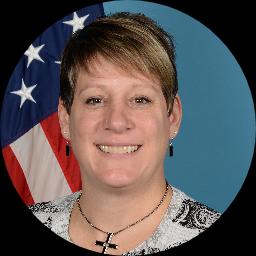
About Stacey
She uses straightforward talk and collaborative planning in sessions. Stacey aims to treat people with dignity, respect, and compassion while tailoring conversation and goals to each person. She helps clients look at patterns, develop new coping skills, and make step-by-step changes that fit daily life.
Her background includes work with adjustment issues, family conflict, blended family concerns, and communication problems. She also supports people dealing with domestic violence, sexual trauma, adverse childhood experiences, and PTSD. Other areas she addresses include depression, anxiety, anger, addictions, self-esteem, infidelity, jealousy, and challenges related to cancer or military service.
Stacey draws on approaches such as cognitive behavioral therapy, dialectical behavior therapy, motivational interviewing, solution-focused methods, and trauma-focused therapy. These tools are used to help people reduce distress, manage strong emotions, and set workable goals. Sessions are shaped around what a client needs right now and what they want to change.
She practices in Texas and works in English. To begin, visitors complete a short matching questionnaire and schedule according to therapist availability. Stacey emphasizes taking small steps and offers steady support throughout the process.
How Stacey’s approaches translate to online work
CBT - Cognitive Behavioral Therapy looks at the link between thoughts, feelings, and actions. In sessions this means identifying unhelpful thinking patterns and practicing new ways of responding to stress or relationship problems.DBT - Dialectical Behavior Therapy focuses on managing intense emotions and improving interpersonal skills. It teaches concrete tools for distress tolerance, emotion regulation, and clearer communication.
Motivational Interviewing helps people find their own reasons to change. It’s useful when someone feels stuck about substance use, lifestyle shifts, or making hard decisions.
Choosing the best approach is a joint process. The therapist will talk with each person about goals, preferences, and what feels most useful. Plans can be adjusted over time as needs change.
Confirm session formats before booking since the biography does not list specific options. Online work can make it easier to fit therapy into a busy day, allow shorter check-ins when useful, and reduce travel time. Licensed professionals can use these methods effectively across different formats, and the focus is on practical skills you can apply between sessions.
Areas of expertise
Primary focus
Also works with
Additional focus areas
Therapeutic approaches
Experience
5+ years
Credentials
Texas
Languages
English
Frequently asked questions
What concerns does Stacey commonly address?
She helps people with relationship and family conflict, trauma and abuse, depression, anxiety, stress, addictions, anger, and self-esteem issues. She also works with related topics such as infidelity, jealousy, blended family challenges, and first responder or veteran issues.
How would you describe her therapy style?
Her approach is practical and collaborative. She tailors conversations and treatment plans to each person's needs and focuses on concrete steps and coping skills.
What is her professional background?
Stacey is a Licensed Clinical Social Worker who served in the Air Force and has professional experience helping active-duty members, veterans, and others with adjustment and family matters.
What credential does she hold and where is she based?
She holds an LCSW credential and practices in Texas.
Does she offer sessions in other languages or to international clients?
Sessions are offered in English. International clients are not currently accepted.
What session formats are available?
Confirm current session options before booking, as the biography does not specify which session formats are offered.
How are sessions priced?
Cost varies with location and therapist availability; sessions use a subscription that can be canceled at any time.
How do I begin working with her?
Click the continue button on this profile, complete a short matching questionnaire, and schedule according to therapist availability.