- Practical coping skills
- Clear goal setting
- Compassionate listening
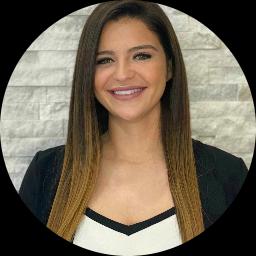
About Victoria
Victoria uses clear, goal-focused methods so sessions feel purposeful. She leans on client-centered listening to understand what matters most to each person. She also draws from cognitive behavioral and dialectical behavior approaches to help people change unhelpful thoughts and learn everyday coping skills.
Many people come for help after a painful life event, family conflict, or when old patterns start to interfere with daily life. Victoria also supports those dealing with attachment and abandonment concerns, body image and self-esteem struggles, and problems with communication or commitment. She works with issues related to addiction, domestic violence impacts, and family of origin wounds.
With nine years of clinical experience, Victoria combines practical skill-building and empathetic listening. She aims to create a clear path forward, often blending short-term strategies with deeper emotional work. Sessions include collaborative goal setting and homework when helpful to reinforce progress between visits.
Victoria holds licensure as a Licensed Mental Health Counselor and as a Licensed Professional Clinical Counselor in Florida. She invites people ready to start a change to take the first step and see if her style feels like a good fit.
How her approaches translate to online therapy
Client-Centered Therapy focuses on listening, empathy, and creating a supportive space where clients set the pace. This approach helps people feel heard and clarifies what they most want to change. Cognitive Behavioral Therapy, or CBT, identifies unhelpful thoughts and teaches concrete exercises to shift thinking and behavior, which can be practiced between sessions. Dialectical Behavior Therapy, or DBT, emphasizes emotion regulation, distress tolerance, and clearer communication skills, useful for intense emotions and relationship strain.Finding the right mix of methods is a collaborative process. The therapist will ask about goals, daily routines, and what has or has not helped in the past. Together they will try approaches that match the client’s needs and adjust over time based on what feels most helpful.
Session format options are not specified here, so confirm the current online session choices before booking. Many people find online therapy useful for fitting appointments into busy days, reducing travel time, and keeping momentum between meetings. Online work can make it easier to practice skills in everyday settings and to check in more regularly when life gets hectic.
Areas of expertise
Primary focus
Also works with
Additional focus areas
Therapeutic approaches
Experience
9+ years
Credentials
Florida, Georgia, Virginia, Indiana, Ohio, Connecticut, Kentucky
Languages
English
Frequently asked questions
What kinds of problems does she help with?
She supports people facing stress, anxiety, depression, bipolar mood concerns, relationship and family problems, trauma, substance use issues, grief, sleep and anger difficulties, and career challenges.
What is her therapeutic style like?
Sessions are collaborative and down-to-earth, combining client-centered listening with practical strategies. Expect both skills training and space to talk through emotions.
How much clinical experience does she have?
Victoria has nine years of experience working with clients on a range of concerns including trauma, addiction, and family conflict.
What credentials and region are listed for this therapist?
She holds LMHC and LPCC credentials and practices in Florida.
Which languages are supported for sessions?
Sessions are offered in English.
Are international clients accepted?
International clients are not currently accepted.
How does billing and cost work?
Cost varies with location and therapist availability; sessions use a subscription that can be canceled at any time.
How do I begin working with her?
Use the continue button on this profile, complete a short matching questionnaire, and then schedule sessions according to the therapist's availability.