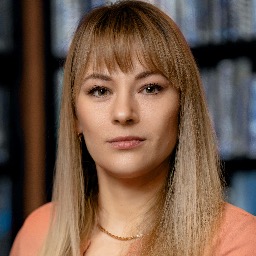
- Warm and interactive style
- English and Russian
- BACP member
About Volha
Volha uses a blend of approaches tailored to each person. She draws on client-centred therapy to follow what matters most to the person in the room. She uses cognitive behavioural ideas to help spot and change unhelpful thoughts and patterns. Elements of dialectical behaviour therapy and psychodynamic work are also woven in when useful.
Common concerns she helps people with include trauma and abuse, grief, addictions, eating and sleeping difficulties, mood issues such as depression and bipolar, and self-esteem worries. She also supports people facing relationship wounds like abandonment, attachment issues, codependency, and communication problems. Practical problems such as caregiver stress, family of origin issues, and separation are within her focus too.
Her style is warm, interactive and non-judgemental. Sessions involve talking through current problems, noticing patterns, and trying small changes between meetings. Volha aims to tailor each plan to a person’s needs rather than follow one set method.
If someone wants to begin, they follow the provider's matching process and complete a short matching questionnaire. She does not work with international clients, so bookings are arranged for people in the United Kingdom.
How her approaches translate to online work
Client-centred therapy focuses on listening, empathy and helping the person lead the conversation. In practice this means the therapist reflects what matters to the person and follows their pace, which can suit emotional and relational concerns.Cognitive behavioural therapy (CBT) looks at how thoughts, feelings and actions connect. It uses simple tasks and experiments between meetings to try different ways of coping with anxiety, low mood, sleep problems or eating concerns.
Finding the right approach is part of the work. The therapist will discuss goals and preferences, and then agree on a way forward together. This collaborative planning can change over time as needs shift.
If you are considering online therapy, confirm the session formats with the therapist before booking. The practical benefits often include fitting sessions into a busy day, shorter check-ins when needed, and not needing to travel. These aspects can make it easier to keep therapy consistent while you manage work, family or caregiving demands.
Areas of expertise
Primary focus
Also works with
Additional focus areas
Therapeutic approaches
Experience
9+ years
Credentials
See below
Languages
English, Russian
Frequently asked questions
What concerns does she commonly help with?
She supports people dealing with stress, anxiety, depression, trauma and abuse, and addictions. Other focuses include grief, eating and sleeping difficulties, self-esteem and bipolar-related concerns.
How would you describe her therapeutic style?
Her approach is warm and interactive. She listens with respect, follows what matters to the person, and combines practical work with reflective conversation.
What is her background and experience?
She has nine years of experience working in counselling roles. Her work has included supporting people with depression, anxiety, bereavement, trauma and related issues.
What credentials does she hold and where does she practise?
She is a member of the British Association for Counselling and Psychotherapy (BACP) and practises in the United Kingdom.
Which languages are available for sessions?
Sessions are offered in English and Russian for people in the United Kingdom.
Can people from other countries book sessions?
She does not accept international clients at this time; bookings are arranged for those based in the United Kingdom.
How does payment and cost work?
Cost varies with location and therapist availability. Sessions use a subscription model that can be cancelled at any time.
What are the first steps to start working with her?
Use the continue button on this profile on the site, complete a short matching questionnaire, and schedule sessions according to the therapist’s availability.