- Practical goal setting
- Emotion regulation skills
- Relationship concerns
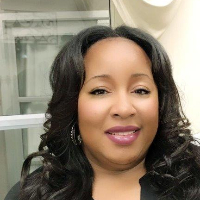
About Anchanese
Levison trained in psychology and counseling and brings 12 years of experience across residential treatment, college programs, and community services. She has supported people from varied backgrounds and with different life pressures, including caregiver strain, blended family concerns, and work-related stress. Her background includes work with trauma, addictions, and mood-related issues.
In sessions she uses client-centered methods that put the person's goals first. She also applies skills from dialectical behavior therapy, mindfulness, and solution-focused work to help people manage emotions and make decisions. Motivational interviewing tools are used to support change when someone feels uncertain about next steps.
Levison describes therapy as collaborative. She listens first, then helps clients set small, achievable goals. Those goals often focus on improving communication, reducing impulse-driven behavior, or rebuilding trust after infidelity or betrayal.
Her practical focus includes tools for anger management, coping with jealousy, and building self-esteem. She encourages short-term strategies alongside longer work when needed. Sessions aim to fit into everyday life while helping people move toward clearer choices and steadier emotions.
Therapeutic approaches used in online work
Client-centered therapy centers on the person and their goals. It involves listening carefully and helping people make choices that feel right for them, which can be useful for relationship worries and self-esteem concerns.Dialectical behavior therapy, or DBT, teaches practical emotion-regulation and distress-tolerance skills. Those tools help with impulsivity, anger, and intense reactions that can come up around jealousy or conflict.
Finding the right approach is part of the work. The therapist will discuss goals and preferences and then try strategies together. If something does not fit, adjustments are made so the plan matches what the client needs.
Online therapy can make it easier to fit sessions into a busy life. It may reduce travel time, allow shorter check-ins during breaks, and let people use tools like guided mindfulness or skills worksheets between meetings. Because session formats are not listed in the biography, confirm the current session options before booking so you know what will work for your schedule and needs.
Areas of expertise
Primary focus
Also works with
Additional focus areas
Therapeutic approaches
Experience
12+ years
Credentials
Georgia
Languages
English
Frequently asked questions
What concerns does she help with?
She works with stress, anxiety, depression, grief, trauma, addiction concerns, and relationship issues such as jealousy and infidelity.
How would you describe her therapy style?
Her style is practical and collaborative, focusing on client-centered conversation with skill-building from DBT, mindfulness, and solution-focused methods.
What is her professional background?
She has 12 years of clinical experience in settings including psychiatric residential treatment, college programs, and community-based services.
What credentials and region are associated with this therapist?
She holds the LPC credential and practices in Georgia.
Which languages are supported for sessions?
Sessions are offered in English.
Are international clients accepted?
International clients are not currently accepted.
How does cost and billing work?
Cost varies with location and therapist availability, and sessions use a subscription that can be canceled at any time.
What should someone do to begin therapy?
Use the continue button on this profile, complete the short matching questionnaire, and schedule a session according to therapist availability.