
Velma Jones
LCSWNew York · 29 yrs exp
Practical, relationship-focused therapy for emotional strain
Stress, Anxiety · Relationship · Trauma and abuse · Depression · +10 more
Read profileTherapist listings are provided by BetterHelp. We earn a commission at no additional cost to you if you use our links to purchase.
Compare profiles to evaluate focus areas, therapeutic approaches, credentials, languages, and professional scope. This page groups practitioners who list Intimacy Issues and who also indicate jealousy among their additional focus areas. Browse the profiles below to explore options.
New York · 29 yrs exp
Practical, relationship-focused therapy for emotional strain
Stress, Anxiety · Relationship · Trauma and abuse · Depression · +10 more
Read profile
North Carolina · 25 yrs exp
Experienced LMFT for relationship and life changes
Stress, Anxiety · Relationship · Family · Grief · +15 more
Read profile
Colorado · 19 yrs exp
Practical, compassionate therapy for everyday challenges
Stress, Anxiety · Relationship · Trauma and abuse · Grief · +12 more
Read profile
Texas · 13 yrs exp
Practical, kind therapy for everyday struggles
Stress, Anxiety · Relationship · Trauma and abuse · Anger · +11 more
Read profile
Florida · 20 yrs exp
Compassionate counselor for life changes
Stress, Anxiety · Addictions · Relationship · Self esteem · +16 more
Read profile
Maine · 12 yrs exp
Practical, collaborative counseling for everyday goals
Stress, Anxiety · Self esteem · Depression · Coping with life changes · +16 more
Read profile
Oregon · 26 yrs exp
Experienced LCSW focusing on practical emotional tools
Stress, Anxiety · Trauma and abuse · Grief · Depression · +10 more
Read profile
Kansas · 12 yrs exp
Compassionate therapist who tackles relationship challenges
Stress, Anxiety · Relationship · Intimacy-related issues · Depression · +13 more
Read profile
Kentucky · 18 yrs exp
Warm, practical therapy for relationship and identity concerns
LGBT · Relationship · Family · Self esteem · +14 more
Read profile
Colorado · 15 yrs exp
Experienced, action-focused counselor
Stress, Anxiety · Relationship · Intimacy-related issues · Self esteem · +10 more
Read profile
Louisiana · 7 yrs exp
Compassionate counselor focused on meaning and change
Stress, Anxiety · Family · Trauma and abuse · Parenting · +15 more
Read profile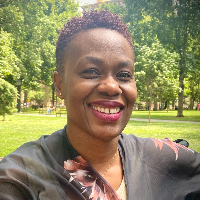
Oklahoma · 7 yrs exp
Compassionate counselor for relationship and life struggles
Stress, Anxiety · Relationship · Grief · Depression · +8 more
Read profile
Pennsylvania · 12 yrs exp
Practical, collaborative help for relationship and stress concerns
Stress, Anxiety · Relationship · Self esteem · Depression · +11 more
Read profile
Arizona · 6 yrs exp
Compassionate counselor focusing on practical change
Stress, Anxiety · Relationship · Family · Self esteem · +11 more
Read profile
North Carolina · 10 yrs exp
Compassionate therapist blending faith and evidence-based care
Stress, Anxiety · Relationship · Family · Bipolar · +16 more
Read profile
Florida · 15 yrs exp
Solution-focused care for relationship and intimacy concerns
Relationship · Family · Intimacy-related issues · Coaching · +4 more
Read profile
Missouri · 7 yrs exp
Focused, practical counseling for change
Stress, Anxiety · Addictions · Relationship · Self esteem · +13 more
Read profile
Louisiana · 10 yrs exp
Compassionate therapy to untangle relationship patterns
Stress, Anxiety · Relationship · Family · Depression · +12 more
Read profile
Kentucky · 10 yrs exp
Practical, values-focused therapy with real-life tools
Stress, Anxiety · Family · Self esteem · Depression · +12 more
Read profile
Texas · 10 yrs exp
Guiding steady, practical support for life transitions
Stress, Anxiety · Relationship · Family · Depression · +14 more
Read profile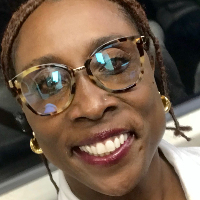
Florida · 26 yrs exp
Supportive counselor focused on emotional healing
Stress, Anxiety · Relationship · Anger · Depression · +13 more
Read profile
Ohio · 18 yrs exp
Compassionate counselor who focuses on real change
Stress, Anxiety · Trauma and abuse · Grief · Anger · +11 more
Read profile
Ohio · 33 yrs exp
Compassionate counselor focused on practical progress
Stress, Anxiety · Family · Trauma and abuse · Self esteem · +12 more
Read profile
Illinois · 10 yrs exp
Compassionate counselor for relationship and identity concerns
Stress, Anxiety · LGBT · Relationship · Trauma and abuse · +10 more
Read profileWhen intimacy feels strained, whether that shows up as distance, comparison, mistrust, or repeated arguments, many people look for professional support to sort out what matters most to them. You might be wondering whether your reactions are about current relationship dynamics, past experiences, or a combination of factors. It is common to have questions about communication, emotional safety, sexual connection, or how personal boundaries are negotiated. If jealousy is also present, it can intensify uncertainty and make it harder to talk about needs without escalating conflict. Seeking a clinician who lists Intimacy Issues as a focus can give you a place to explore these patterns with someone who has chosen to work with related concerns. You do not need to assume any particular cause before reaching out - the goal of an initial discussion is to clarify what you want from sessions, what has felt helpful or unhelpful in the past, and what concrete areas you want to address.
Many people approach this work with practical aims - improving communication, rebuilding trust where it has been strained, or learning how to set and respect boundaries. Others want to explore how attachment, past relationships, cultural expectations, or identity factors shape intimacy. Because every situation is different, you will likely benefit from a conversation about the clinician's typical focus and the kinds of questions they find useful in early sessions. That conversation can also make clear whether they commonly work with individuals, with partners, or with families, and whether they have experience addressing related concerns such as jealousy or comparison.
Intimacy and jealousy often appear together, but one does not always cause the other. You may notice jealousy surfacing in response to perceived threats to closeness, or it may be tied to personal histories of rejection, loss, or inconsistent caregiving. At the same time, relationship patterns - such as poor communication about needs, unclear boundaries, or mismatched expectations - can make jealous feelings more frequent or more distressing. When you look at profiles here, keep in mind that the directory groups practitioners who list both Intimacy Issues and jealousy among their areas of focus. That linkage in a profile indicates a clinician has chosen to make that topic visible, not that they offer a particular diagnosis or guarantee a specific outcome.
In practical terms, talking about how the two topics interact can help you map the situations that trigger strong emotions and identify small changes that reduce conflict. You can explore whether jealousy shows up mainly in moments of comparison - for example, when social media or past relationships are involved - or whether it emerges from deeper worries about abandonment or self-worth. If your concern involves a partner, you do not need to assume they will attend sessions. Many clinicians who work with intimacy-related concerns support individuals who want to understand their own responses and decide how to act. It is also reasonable to ask a clinician directly how they typically approach situations where jealousy and intimacy overlap, and whether they work with partners, individuals, or families on these topics.
When you evaluate profiles, prepare concrete questions to help compare clinicians in a meaningful way. Ask how they describe their typical approach to intimacy and jealousy-related concerns and which interventions or frameworks they draw on, noting that a profile may list approaches such as cognitive behavioral methods, attachment-informed work, emotion-focused techniques, trauma-aware practice, or mindfulness-based strategies. You can ask whether they commonly work with individuals, with couples, or with families, and request examples of the kinds of goals they help clients pursue. A useful question is: Do you primarily help people explore their own reactions, or do you often facilitate conversations between partners? Another concrete question is: How do you balance addressing immediate relationship conflicts with deeper personal patterns that influence intimacy?
Licensing and professional memberships vary by country, and it is reasonable to confirm the type of credential a clinician holds. For practitioners in the United States, you may ask whether they are licensed to practice in a given state and what that license represents. For clinicians in the United Kingdom or Australia, ask whether they are registered with or a member of relevant professional bodies and what those registrations mean for practice standards. Profiles often list credentials and professional affiliations - use those details as a starting point for questions rather than as definitive proof of specialist training. Also ask about experience working with cultural or identity factors that matter to you, including language preferences, because therapeutic style and cultural understanding can shape how comfortable you feel bringing up sensitive subjects.
If you plan to work remotely, there are specific topics that are useful to cover before beginning work together. Ask the clinician how they handle technical arrangements and what platforms they use for sessions, and ask whether there are alternative ways to connect if technology fails. It is appropriate to discuss how the clinician manages urgent concerns and what steps they recommend if immediate support is needed between sessions. Clarify what types of issues fall within their scope of work and whether they offer referrals or collaborative care when a concern goes beyond their practice. You should also talk about session length, communication preferences between sessions, cancellation policies, and how information about sessions is documented and shared, so you know what to expect about record keeping and administrative details.
Because the directory includes professionals across the United States, the United Kingdom, and Australia, ask how local regulations or professional standards might affect remote work across state or national borders. It is appropriate to confirm whether the clinician can provide care for someone located where you are and to ask about any registration or licensing considerations that apply. Remember that a profile note that a clinician lists jealousy or intimacy as a focus does not establish the clinician's scope with children or couples, so explicitly ask whether they work with the specific configuration you need - whether that is individual therapy, couples work, or family sessions.
Comparing profiles effectively means looking beyond a single label and examining several concrete dimensions. Review the focus areas listed in a profile to see whether Intimacy Issues and jealousy are presented alongside related topics you care about, such as attachment concerns, sexual wellbeing, trauma, or communication skills. Look for information about languages spoken and cultural competence so you can choose someone who can engage with the nuances of your background. Credentials and professional affiliations provide context about training pathways and standards - for example, whether a clinician is licensed in the US or registered or a member of a professional body in the UK or Australia - but these items should prompt follow-up questions about what the credential means in practice.
Therapeutic style matters as much as technical approach. Some clinicians describe a direct skills-oriented stance, while others emphasize exploration of history and meaning or a collaborative, reflective stance. Think about whether you prefer a clinician who will offer structured exercises and homework, or one who will create space for open-ended reflection and insight. Concrete comparison questions you can use include: Which issues do you work with most often, and can you describe a typical early session? How do you measure progress with clients who are working on intimacy concerns? What languages do you offer sessions in, and what cultural competencies do you draw on when working with diverse identities? Ending with a conversation that clarifies scope, approach, and communication style can help you decide which profile to follow up with for an introductory discussion.
Alabama
53 therapists
Alaska
8 therapists
Arizona
57 therapists
Arkansas
33 therapists
Australia
159 therapists
California
337 therapists
Colorado
114 therapists
Connecticut
38 therapists
Delaware
9 therapists
District of Columbia
13 therapists
Florida
593 therapists
Georgia
187 therapists
Hawaii
19 therapists
Idaho
38 therapists
Illinois
166 therapists
Indiana
70 therapists
Iowa
22 therapists
Kansas
41 therapists
Kentucky
66 therapists
Louisiana
105 therapists
Maine
15 therapists
Maryland
65 therapists
Massachusetts
53 therapists
Michigan
188 therapists
Minnesota
55 therapists
Mississippi
49 therapists
Missouri
142 therapists
Montana
32 therapists
Nebraska
37 therapists
Nevada
29 therapists
New Hampshire
13 therapists
New Jersey
115 therapists
New Mexico
22 therapists
New York
236 therapists
North Carolina
217 therapists
North Dakota
3 therapists
Ohio
122 therapists
Oklahoma
105 therapists
Oregon
36 therapists
Pennsylvania
169 therapists
Rhode Island
10 therapists
South Carolina
89 therapists
South Dakota
14 therapists
Tennessee
84 therapists
Texas
583 therapists
United Kingdom
1891 therapists
Utah
38 therapists
Vermont
7 therapists
Virginia
70 therapists
Washington
52 therapists
West Virginia
18 therapists
Wisconsin
97 therapists
Wyoming
12 therapists