
Linda Hazel
LMFTTennessee · 35 yrs exp
Compassionate guidance for lasting change
Addictions · Relationship · Family · Trauma and abuse · +1 more
Read profileTherapist listings are provided by BetterHelp. We earn a commission at no additional cost to you if you use our links to purchase.
Browse profiles of clinicians in Tennessee who list jealousy among their focus areas and compare approaches, credentials, languages and practice styles. Review each profile closely and confirm with the clinician that they are permitted to work with you where you live before reaching out.
Tennessee · 35 yrs exp
Compassionate guidance for lasting change
Addictions · Relationship · Family · Trauma and abuse · +1 more
Read profile
Tennessee · 37 yrs exp
Experienced counselor focused on practical change
Addictions · Family · Grief · Self esteem · +9 more
Read profile
Tennessee · 5 yrs exp
Insightful counseling for everyday challenges
Stress, Anxiety · Trauma and abuse · Anger · Self esteem · +14 more
Read profile
Tennessee · 20 yrs exp
Calm, practical therapy for life changes
Stress, Anxiety · Addictions · Trauma and abuse · Anger · +16 more
Read profile
Tennessee · 30 yrs exp
Compassionate counselor for life transitions
Stress, Anxiety · LGBT · Grief · Bipolar · +16 more
Read profile
Tennessee · 8 yrs exp
Calm guidance for stress and relationship concerns
Stress, Anxiety · Relationship · Family · Trauma and abuse · +6 more
Read profile
Tennessee · 40 yrs exp
Experienced Tennessee psychologist focused on healing
Stress, Anxiety · Relationship · Anger · Depression · +13 more
Read profile
Tennessee · 8 yrs exp
Warm, practical counseling for overwhelming emotions
Stress, Anxiety · Trauma and abuse · Anger · Self esteem · +1 more
Read profile
Tennessee · 18 yrs exp
Experienced, down-to-earth counselor for life changes
Stress, Anxiety · Trauma and abuse · Grief · Self esteem · +8 more
Read profile
Tennessee · 15 yrs exp
Licensed clinical social worker focused on practical healing
Stress, Anxiety · LGBT · Family · Trauma and abuse · +16 more
Read profile
Tennessee · 28 yrs exp
Calm, practical therapy for life’s hard moments
Stress, Anxiety · Relationship · Grief · Depression · +10 more
Read profile
Tennessee · 9 yrs exp
Practical, strengths-focused clinical social worker
Stress, Anxiety · Trauma and abuse · Grief · Self esteem · +13 more
Read profile
Tennessee · 6 yrs exp
Compassionate counselor for relationships and stress
Stress, Anxiety · Relationship · Family · Parenting · +11 more
Read profile
Tennessee · 8 yrs exp
Compassionate counselor focused on practical change
Stress, Anxiety · Anger · Self esteem · Depression · +12 more
Read profile
Tennessee · 10 yrs exp
Helping people move past stress and doubt
Stress, Anxiety · Relationship · Self esteem · Career · +12 more
Read profile
Tennessee · 8 yrs exp
Compassionate counselor for everyday struggles
Stress, Anxiety · Sleeping · Anger · Self esteem · +5 more
Read profile
Tennessee · 9 yrs exp
Practical, compassionate therapy for life changes
Stress, Anxiety · Grief · Depression · ADHD · +12 more
Read profile
Tennessee · 10 yrs exp
Compassionate psychologist focused on practical change
Stress, Anxiety · Relationship · Trauma and abuse · Depression · +1 more
Read profile
Tennessee · 20 yrs exp
Supportive LCSW with 20 years experience
Stress, Anxiety · Trauma and abuse · Grief · Bipolar · +15 more
Read profile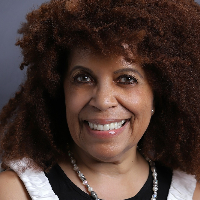
Tennessee · 15 yrs exp
Renew confidence, rebuild relationships, find more joy
Stress, Anxiety · Relationship · Family · Self esteem · +9 more
Read profile
Tennessee · 11 yrs exp
Compassionate psychologist focused on practical change
Stress, Anxiety · Relationship · Sleeping · Depression · +11 more
Read profile
Tennessee · 17 yrs exp
Practical therapy for relationship pain and life change
Addictions · Relationship · Family · Self esteem · +13 more
Read profile
Tennessee · 10 yrs exp
Compassionate, practical support for everyday struggles
Stress, Anxiety · Relationship · Family · Trauma and abuse · +13 more
Read profile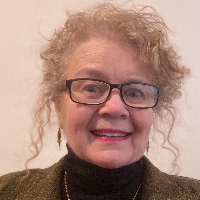
Tennessee · 26 yrs exp
Warm, practical therapy for relationship struggles
Stress, Anxiety · Relationship · Trauma and abuse · Self esteem · +12 more
Read profileWhen jealousy feels heavy or persistent you may be weighing a mix of emotions - suspicion, comparison, fear of loss, or questions about boundaries. These experiences can appear in romantic partnerships, friendships, workplace interactions, or family relationships. You do not have to assume that someone else will attend sessions or that your context is romantic; simply identify the patterns that are worrying you and the situations where those feelings come up. That clarity will help you compare profiles meaningfully.
As you read profiles, look for language that matches how you experience jealousy. Some clinicians describe helping with comparison and trust issues while others emphasize communication skills, boundary-setting, or managing intense emotions. Think about whether you want a clinician who focuses on practical strategies to change behavior, one who explores underlying beliefs and history, or someone who blends attention to emotion with communication practice. You can also note whether a profile mentions experience with related concerns such as relationship transitions, social media impact, infidelity, or attachment-related worries. These descriptors help you narrow who might be a good conversational fit for the kind of work you want to do.
The directory groups profiles under Tennessee because that is the listed location, but a listed location is not the same as proof you can work with someone where you live. You should confirm on the individual profile and then with the clinician that they are permitted to provide care to you based on your residence and local regulations. This point matters for clinicians who work across state or national lines, and for online sessions where practice rules vary.
Profiles may refer to licensing, registration, or membership. If a clinician is in the United States you will often see a specific license type and state board jurisdiction. Professionals in the United Kingdom or Australia may reference registration, accreditation, or professional membership rather than US-style licensing. The presence of a title or membership in a professional body is information to consider, but it does not offer full insight into scope of practice, whether the clinician works with the age group you need, or whether they can legally provide services to you. Always ask directly about credential details that matter to you and how those credentials are regulated where you live.
When you contact a clinician or read a profile, think in terms of concrete questions you can use to compare approaches. Ask whether they have experience with the kinds of jealousy you are encountering, for example jealousy related to social media visibility, workplace competition, or family dynamics. You can ask how they typically structure conversations about trust and comparison, and what kinds of short-term steps they might use to help you manage moments of intense emotion. If a profile lists particular approaches you should frame questions around how those approaches are used rather than assuming uniform training - for example you might say that you noticed some clinicians list EMDR among their approaches and ask how that approach might be applied to jealousy-related distress in their practice.
Also ask about practice style. Some clinicians describe a more directive approach, offering skills and experiments to try between meetings. Others emphasize reflective exploration of the experiences and narratives that drive jealousy. You might ask whether they offer concrete communication coaching to help you raise boundaries or whether they prioritize helping you explore the origins of your reactions. Practical questions about meeting length, anticipated pacing, and how progress is assessed can help you compare profiles. Remember that specific clinical goals - such as improving communication, reducing harmful monitoring behaviors, or strengthening personal boundaries - are appropriate topics to discuss before deciding who to contact.
If you are considering remote care, clarify practical and safety-related points upfront. Ask whether the clinician can legally work with someone in your state or country and confirm where they will be providing services from. Find out what platform they use for video conversations and what technical requirements you should prepare for. It is also important to ask how they handle urgent situations or crises when you are not together in person, and whether they can provide local referrals if additional in-person support is needed. These are operational details that help you feel more confident about the logistics of remote care.
Communication norms are another important topic. Ask how they manage boundaries around messages between sessions, how much information they typically share by email, and whether they provide written summaries or practice suggestions after meetings. If language access matters to you, confirm which languages they can work in and whether an interpreter could be coordinated. Before beginning remote sessions you should also talk about what a safe setting will look like for you in your location, and whether there are privacy considerations you want to raise about the environment where you plan to participate.
Comparing profiles is most useful when you pay attention to several dimensions at once. Focus areas tell you the topics a clinician lists, which may include jealousy alongside related concerns such as boundaries, communication difficulties, attachment issues, or trust. Languages listed on a profile indicate the languages in which the clinician can work conversationally, which can be vital for nuance when you discuss complex feelings. Credentials and professional associations provide context about the clinician s background and the registry or board that governs practice in their country, but ask for specifics about what those credentials allow that clinician to do where you live.
Style and therapeutic stance are subtle but important. A profile that mentions direct skills coaching may lead to a different experience than a profile that emphasizes long-term exploration of relationship patterns. Consider how you prefer to be spoken to when you are distressed - do you value direct, practical feedback or a more exploratory reflective approach - and compare that preference with language on profiles. Look for examples on profiles that describe how clinicians handle conversations about boundaries, trust, and monitoring behaviors. Be mindful that the presence of a topic on a profile is descriptive: it is not evidence that a clinician treats children, couples, or families unless they explicitly say so. You should discuss your specific needs and the clinician s scope directly to confirm fit.
Finally, trust your instincts when profiles are read together. If a clinician s language feels respectful of your autonomy and focused on safety and communication, that might align with a goal of establishing clearer boundaries and reducing harmful behaviors. If you are worried about a pattern of controlling or monitoring behavior - whether your own or someone else s - look for clinicians who explicitly mention working on healthy boundaries, respect, and noncoercive communication. Avoid interpretations that normalize monitoring or pressure to remain in an unsafe situation; those are appropriate topics to raise and to prioritize in early conversations. Using the questions and comparison angles above will help you identify a clinician whose profile matches the practical and interpersonal experience you are seeking in Tennessee. Remember to confirm permission to work together in your location before proceeding.
Attachment Issues
4828 therapists
Codependency
4600 therapists
Communication Problems
5852 therapists
Coping with Life Changes
5629 therapists
Divorce
5074 therapists
Family
5185 therapists
Family of Origin Issues
3534 therapists
Forgiveness
5632 therapists
Jealousy
6790 therapists
Life Purpose
5729 therapists
Relationship
5964 therapists