
Linda McNellis
LCSWOregon · 26 yrs exp
Experienced LCSW focusing on practical emotional tools
Stress, Anxiety · Trauma and abuse · Grief · Depression · +10 more
Read profileTherapist listings are provided by BetterHelp. We earn a commission at no additional cost to you if you use our links to purchase.
Browse profiles of professionals who list jealousy among their focus areas in Oregon and compare their approaches, languages, credentials, and professional scope. Check each profile and confirm the therapist's permission to work with you where you live before reaching out.
Oregon · 26 yrs exp
Experienced LCSW focusing on practical emotional tools
Stress, Anxiety · Trauma and abuse · Grief · Depression · +10 more
Read profile
Oregon · 30 yrs exp
Experienced LCSW for practical, trauma-informed care
Stress, Anxiety · Addictions · Trauma and abuse · Depression · +13 more
Read profile
Oregon · 16 yrs exp
Focused tools for attention and balance
Stress, Anxiety · Addictions · Depression · Coping with life changes · +12 more
Read profile
Oregon · 16 yrs exp
Practical, direct counseling for change
Addictions · Trauma and abuse · Parenting · Self esteem · +16 more
Read profile
Oregon · 32 yrs exp
Practical, steady counseling for relationship pain
Stress, Anxiety · Relationship · Self esteem · Depression · +4 more
Read profile
Oregon · 21 yrs exp
Compassionate counselor for relationship and life changes
Relationship · Family · Intimacy-related issues · Parenting · +7 more
Read profile
Oregon · 25 yrs exp
Compassionate therapist focused on practical change
Stress, Anxiety · Trauma and abuse · Eating · Self esteem · +15 more
Read profile
Oregon · 20 yrs exp
Compassionate therapist for life transitions
Stress, Anxiety · Relationship · Grief · Eating · +11 more
Read profile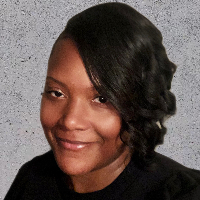
Oregon · 9 yrs exp
Practical, person-focused counseling for real-life problems
Stress, Anxiety · Trauma and abuse · Depression · Relationship · +10 more
Read profile
Oregon · 10 yrs exp
Compassionate counselor focused on real-life change
Bipolar · Coping with life changes · Coaching · Compassion fatigue · +16 more
Read profile
Oregon · 30 yrs exp
Calm, practical therapy for everyday life
Stress, Anxiety · LGBT · Relationship · Anger · +13 more
Read profile
Oregon · 8 yrs exp
Compassionate counselor focused on practical change
Stress, Anxiety · Addictions · LGBT · Trauma and abuse · +14 more
Read profile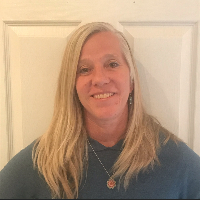
Oregon · 17 yrs exp
Compassionate social worker guiding practical change
Stress, Anxiety · Grief · Bipolar · Depression · +12 more
Read profile
Oregon · 20 yrs exp
Therapist offering practical, compassionate care
Stress, Anxiety · Trauma and abuse · Grief · Self esteem · +13 more
Read profile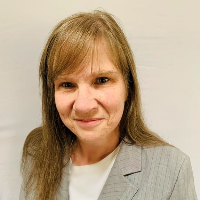
Oregon · 30 yrs exp
Experienced clinical social worker who focuses on practical change
Stress, Anxiety · Addictions · Trauma and abuse · Grief · +15 more
Read profile
Oregon · 10 yrs exp
Warm, practical therapy for relationship and life stressors
Stress, Anxiety · Addictions · Family · Trauma and abuse · +9 more
Read profile
Oregon · 20 yrs exp
Healing with practical, compassionate care
Addictions · Relationship · Trauma and abuse · Self esteem · +10 more
Read profile
Oregon · 15 yrs exp
Compassionate, practical therapy for life changes
Stress, Anxiety · Grief · Anger · Self esteem · +11 more
Read profile
Oregon · 17 yrs exp
Experienced LCSW blending skills and broader healing
Stress, Anxiety · Relationship · Trauma and abuse · Parenting · +14 more
Read profile
Oregon · 20 yrs exp
Experienced LCSW focused on practical recovery
Stress, Anxiety · Addictions · Trauma and abuse · Self esteem · +14 more
Read profile
Oregon · 26 yrs exp
Therapist focused on deeper change
Stress, Anxiety · Relationship · Family · Parenting · +8 more
Read profile
Oregon · 7 yrs exp
Compassionate psychologist for relationship and life struggles
LGBT · Family · Grief · Depression · +9 more
Read profile
Oregon · 24 yrs exp
Compassionate, practical therapy for life changes
Stress, Anxiety · Relationship · Trauma and abuse · Grief · +8 more
Read profile
Oregon · 12 yrs exp
Compassionate counselor for life transitions
Addictions · Relationship · Family · Trauma and abuse · +12 more
Read profileJealousy shows up for people in many forms - persistent comparison, worries about trust, uncomfortable boundaries, or recurring patterns that affect how you relate to others. You might be wrestling with uncertainty about a relationship, struggling to communicate needs in a way that feels heard, or noticing that comparisons are shaping your mood and decisions. None of these experiences requires a diagnosis to be worth exploring. When you decide to look for help, it can be useful to clarify what you want to change, what feels unsafe or intolerable to you, and what practical goals you have for conversations or sessions. Having a clear sense of whether you are focused on learning communication skills, restoring trust, managing intense emotions, or re-examining expectations will help you compare professional profiles in a meaningful way.
Consider how you experience jealousy - as an episodic reaction, a long-standing pattern, or as something tied to specific triggers like social media or past relationships. Think about boundaries you want to maintain and the behaviors you will not accept in yourself or others. Be cautious about strategies that encourage monitoring or controlling someone else. If safety is a concern for you, mention that early when you contact a professional so you can discuss options that prioritize your wellbeing. You do not need to assume another person will join sessions; many people seek support on their own to gain clarity and new ways of relating.
Grouping profiles under Oregon helps you narrow a search by geography, but it is not proof of a current office, physical proximity, or the professional's eligibility to work with you where you live. Directory listings reflect the information supplied on individual profiles and may include clinicians from different countries. If a profile notes a presence in Oregon, check the profile details and contact the clinician directly to confirm whether they have permission to work with clients in your state or region. This is especially important when laws and regulations affect cross-state or international care.
Professional credentials differ by country. In the United States many clinicians will list state licensure and that licensure indicates they meet local regulatory requirements. In the United Kingdom clinicians often reference registration or membership with professional bodies. In Australia you may see references to registration or membership as well. A listing that includes jealousy as a focus area does not prove that a clinician treats children, couples, or family groups. You should explicitly discuss the populations a clinician works with before assuming they can address your specific situation. Treat profile details as starting points for conversation rather than definitive endorsements of scope or services.
When you review a profile, draft a few targeted questions that will help you compare how different professionals describe their work. Ask which approaches the clinician lists for jealousy and how they typically apply those approaches to issues like comparison, trust, communication, and boundaries. For example, you can ask how they help clients explore comparing themselves to others, or how they support someone who wants to set firmer personal boundaries. If a clinician lists specific modalities among their approaches, ask what those approaches mean in practice and how they might be adapted to your goals. Phrase questions to learn about fit rather than to verify credentials alone.
Ask about relevant experience without assuming the clinician treats a particular population. You might say, Have you worked with people whose main concern is jealousy, and what kinds of goals did they bring? Or, How do you help clients who find themselves repeatedly checking or comparing? Ask how the clinician measures progress and how they work with uncertainty when outcomes are not straightforward. If language or cultural background matters to you, ask whether they have experience working with people who share your language or cultural references. These questions help you compare not only technical approaches but also the therapeutic style and interpersonal fit you are likely to experience.
If you are considering online sessions, raise practical topics early so you know what to expect. Discuss the platforms they use and what steps are in place to protect your privacy and data. Ask how they handle interruptions or technical problems during a session and what backup plans are available. Clarify time zone differences if the clinician is located outside your region. Talk about boundaries around communication between sessions - for example, how they prefer to be contacted for administrative questions versus clinical concerns - and what turnaround time you might reasonably expect. These conversations help set expectations for a working relationship that feels reliable to you.
Make sure to talk about the setting you will use for sessions on your end. You might arrange a room where you will not be interrupted and where you feel comfortable discussing personal topics. If safety is at issue, ask how the clinician handles disclosures that suggest immediate risk and whether they can direct you to local resources when needed. Always confirm that a clinician has permission to work with clients in your jurisdiction before scheduling an initial session, since rules about cross-border care vary and professionals will be able to explain their scope of practice.
Comparing profiles is most useful when you pay attention to several dimensions at once. Focus areas tell you what clinicians say they address, so look for those who explicitly include jealousy or related topics such as trust, boundaries, or relationship communication. Languages listed on a profile can make a big difference when you want to speak in a particular language or when cultural nuance matters. Credentials and registrations provide context about regulatory standing in a given country - some US clinicians will list state licensure, while professionals in the UK or Australia may note registration or membership with national bodies. Use these entries to form questions rather than as final proof of suitability.
Assess style through the language used in profiles and introductory materials. Some clinicians emphasize evidence-informed approaches and practical skills, while others highlight exploration of relationship patterns or emotion-focused work. If a profile lists certain approaches among its methods, ask how those approaches are used with jealousy specifically, and how they might be tailored to your needs. Think about what kind of therapeutic tone helps you feel understood - direct and practical, reflective and exploratory, or something else - and let style guide your choice as much as formal credentials. Finally, remember to check the scope of practice if you need services for children, couples, or families, and bring up those needs explicitly when you contact a clinician so you can confirm whether they are the right fit for your situation.
Taking time to compare profiles, ask direct questions, and clarify logistics can help you make an informed choice when seeking help for jealousy-related concerns in Oregon. Use each profile as an invitation to start a conversation, and confirm permission to work with you in your location before you proceed.
Attachment Issues
4828 therapists
Codependency
4600 therapists
Communication Problems
5852 therapists
Coping with Life Changes
5629 therapists
Divorce
5074 therapists
Family
5185 therapists
Family of Origin Issues
3534 therapists
Forgiveness
5632 therapists
Jealousy
6790 therapists
Life Purpose
5729 therapists
Relationship
5964 therapists