
Evalee Smith
LISW, LCSW, CSWGeorgia · 25 yrs exp
Experienced clinical social worker focused on practical change
Stress, Anxiety · Parenting · Anger · Self esteem · +15 more
Read profileTherapist listings are provided by BetterHelp. We earn a commission at no additional cost to you if you use our links to purchase.
Compare profiles of professionals connected to Georgia who list jealousy among their focus areas. Browse individual profiles to review approaches, credentials, languages and communication style before contacting a clinician.
Georgia · 25 yrs exp
Experienced clinical social worker focused on practical change
Stress, Anxiety · Parenting · Anger · Self esteem · +15 more
Read profile
Georgia · 3 yrs exp
Thoughtful CBT guidance for practical change
Stress, Anxiety · Relationship · Family · Intimacy-related issues · +6 more
Read profile
Georgia · 11 yrs exp
Calm, practical counseling for life challenges
Addictions · Relationship · Trauma and abuse · Bipolar · +1 more
Read profile
Georgia · 20 yrs exp
Practical, goal-focused counseling with warmth
Stress, Anxiety · Addictions · Relationship · Trauma and abuse · +11 more
Read profile
Georgia · 15 yrs exp
Relationship-focused counselor with practical tools
Stress, Anxiety · Relationship · Family · Grief · +11 more
Read profile
Georgia · 34 yrs exp
Direct, compassionate counselor focused on practical change
Stress, Anxiety · Addictions · Anger · Self esteem · +12 more
Read profile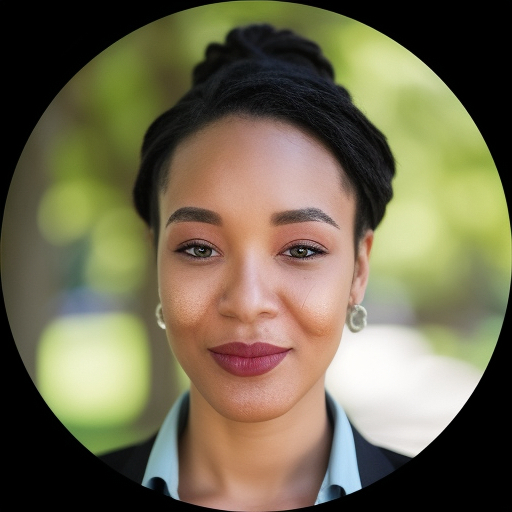
Georgia · 7 yrs exp
Growth-focused clinician guiding life transitions
Stress, Anxiety · Trauma and abuse · Self esteem · Depression · +10 more
Read profile
Georgia · 31 yrs exp
Experienced LCSW focused on practical change
Stress, Anxiety · Addictions · Trauma and abuse · Bipolar · +11 more
Read profile
Georgia · 3 yrs exp
Helpful, strengths-based LCSW
Stress, Anxiety · Relationship · Family · Trauma and abuse · +7 more
Read profile
Georgia · 25 yrs exp
Warm, steady counseling for life’s hard moments
Stress, Anxiety · Trauma and abuse · Grief · Self esteem · +13 more
Read profile
Georgia · 18 yrs exp
Effective, experienced counseling for life changes
Stress, Anxiety · Relationship · Family · Parenting · +16 more
Read profile
Georgia · 20 yrs exp
Compassionate practical therapy for life transitions
Stress, Anxiety · Relationship · Career · Depression · +13 more
Read profile
Georgia · 7 yrs exp
Practical counseling for life’s big stresses
Stress, Anxiety · Addictions · Relationship · Family · +8 more
Read profile
Georgia · 14 yrs exp
Compassionate guidance for life and relationship challenges
Family · Grief · Parenting · Self esteem · +12 more
Read profile
Georgia · 15 yrs exp
Clear, practical support for life's difficult moments
Stress, Anxiety · Relationship · Grief · Self esteem · +11 more
Read profile
Georgia · 18 yrs exp
Experienced counselor offering practical support
Stress, Anxiety · Addictions · Relationship · Family · +15 more
Read profile
Georgia · 8 yrs exp
Compassionate counselor for relationship and trauma issues
LGBT · Relationship · Trauma and abuse · Self esteem · +14 more
Read profile
Georgia · 15 yrs exp
Compassionate therapist for relationship patterns
Stress, Anxiety · Relationship · Family · Trauma and abuse · +16 more
Read profile
Georgia · 20 yrs exp
Helping people untangle relationship pain and stress
Relationship · Anger · Self esteem · Career · +5 more
Read profile
Georgia · 30 yrs exp
Calm, experienced counselor for emotional challenges
Stress, Anxiety · Relationship · Family · Depression · +12 more
Read profile
Georgia · 30 yrs exp
Practical support for stress and relationship concerns
Stress, Anxiety · LGBT · Relationship · Intimacy-related issues · +1 more
Read profile
Georgia · 5 yrs exp
Practical, direct support for everyday struggles
Stress, Anxiety · Relationship · Family · Trauma and abuse · +1 more
Read profile
Georgia · 5 yrs exp
Skilled, down-to-earth therapist for relationship strain
Stress, Anxiety · LGBT · Relationship · Depression · +1 more
Read profile
Georgia · 3 yrs exp
Therapist focused on practical emotional tools
Stress, Anxiety · Trauma and abuse · Grief · Anger · +1 more
Read profileWhen jealousy feels persistent or painful, your first step is to be clear about what you want from support. Are you looking to understand the emotions that arise in certain situations, to improve conversation and boundaries with others, or to explore underlying past experiences that influence how you relate now? Your priorities will shape what to compare on a profile. Some people want help with communication skills and boundary setting. Others want to explore patterns linked to personal history, attachment, or anxiety. It is also important not to assume the situation is romantic. Jealousy can appear in friendships, work relationships, family dynamics and other contexts. Keep an open mind about the focus when you read profiles and consider whether a clinician lists relevant experience or interest.
Trust and uncertainty commonly shape the decision to seek help. You may be weighing whether to disclose sensitive details, whether to involve another person in sessions, or whether counseling will fit your values and comfort level. A profile can offer clues about how a clinician communicates and the languages they use. Look for language that aligns with your needs - direct and practical explanations if you want actionable tools, or reflective phrasing if you want to explore feelings and history. Avoid assuming that mentioning jealousy on a profile means the clinician treats every related situation. Profiles are a starting point for questions that matter to you.
The directory groups profiles by the listed location Georgia, but that grouping is not evidence of an office, physical proximity, eligibility for every resident, or an active authorization to practice there. You should review each profile closely and confirm with the clinician whether they are permitted to work with you where you live. Licensing and registration systems differ across countries, so it helps to know the distinction when comparing credentials. In the United States clinicians commonly list state licensing such as licensed professional counselor, licensed clinical social worker or licensed marriage and family therapist. In the United Kingdom professionals may list registration or membership in a regulatory body or professional association. In Australia practitioners may note registration or membership with national boards or professional associations. The presence of a credential on a profile indicates a professional designation recorded by the clinician, not a guarantee of services for your situation.
While reading credentials, pay attention to the jurisdiction they apply to and any description of the clinician's scope. If you plan to receive care while living in Georgia, ask whether the clinician is able to offer services to people in your state or country. When profiles mention approaches or modality names, remember that this only reflects what the clinician lists; it is appropriate to ask how they integrate those approaches into sessions and whether their experience aligns with the concerns you want to address.
When reaching out based on a profile, prepare concrete questions that will help you compare clinicians. You can ask how they typically begin when someone brings jealousy as a concern and whether they have experience working with situations similar to yours, such as jealousy after infidelity, jealousy in non-romantic relationships, or jealousy connected to past trauma. Ask how they describe their communication style - for example, whether they tend to be more directive and skill-focused or more exploratory and reflective. If a profile lists specific approaches, inquire how those approaches might be applied in your situation by asking for examples rather than assuming a specific technique will be used.
It is also appropriate to discuss how they handle boundaries and safety in sessions. If monitoring or controlling behaviors are part of your concern, ask how they approach conversations that involve risk, how they support people to set and maintain personal boundaries, and how they work with issues that may require additional planning. If you think another person may participate in some sessions, ask about their experience working with individuals and other relationship configurations and how they think about information-sharing boundaries and consent when more than one person is involved. These concrete questions help you decide whether the clinician’s style and experience are a fit for what you want to address.
If you are considering care that takes place online or with a clinician located outside your immediate area, there are practical matters to discuss before starting. Ask the clinician whether they are permitted to provide services to people in your state or country, and how they handle jurisdictional differences in professional rules. Clarify the practicalities of communication - whether they prefer email for scheduling, how they handle cancellations, and what channels they use for sending documents. Ask about session length and what to expect in early meetings so you can assess whether the rhythm and structure align with your needs.
It is also useful to talk about privacy and records in general terms - how they handle personal information and what you can expect regarding notes about sessions. If you will be located in a different time zone, confirm scheduling logistics and whether this affects timing of sessions or follow-up communications. If safety concerns exist, ask how they approach crisis situations and whether they can help connect you to local resources. These conversations are practical and respectful ways to set expectations before beginning work together.
Use profiles to compare concrete dimensions that matter to you. Focus areas on a profile can indicate where a clinician has chosen to describe relevant interests, such as relationship issues, attachment patterns, trust concerns, or anxiety. If a profile lists specialty terms or modalities, consider whether those terms match your goals and ask how the clinician uses them in practice. Language access is another important dimension - if you prefer to work in a language other than English, look for clinicians who list that language and ask about the level of comfort and experience they have conducting sessions in it.
Therapeutic style is often the hardest to infer from a short profile, so rely on examples in conversations to understand how a clinician works. Ask for a description of a typical early session and how they balance direct guidance with reflective exploration. Consider cultural competence by asking how they have worked with people who share your background or values and whether they have experience with the systems and pressures that affect your life. Finally, think about practical alignment - whether the clinician’s communication style, stated approach and languages match what you find comfortable. Profiles are the start of an informed conversation, and comparing these dimensions will help you identify clinicians to contact and ask further questions of.
As you browse profiles in the Georgia grouping, remember that the listing location is a recorded attribute, not proof of an office or legal permission to work in a particular place. Review individual profiles carefully and confirm directly with any clinician about their ability to work with you where you live, their approach to the concerns you want to address, and the ways they handle communication and boundaries. Thoughtful questions and clear comparisons will help you decide who may be a good match for the kind of support you are seeking.
Attachment Issues
4828 therapists
Codependency
4600 therapists
Communication Problems
5852 therapists
Coping with Life Changes
5629 therapists
Divorce
5074 therapists
Family
5185 therapists
Family of Origin Issues
3534 therapists
Forgiveness
5632 therapists
Jealousy
6790 therapists
Life Purpose
5729 therapists
Relationship
5964 therapists