- CBT informed
- Mindfulness based
- Goal oriented
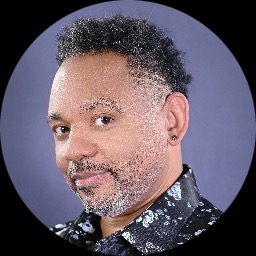
About Anthony
He uses clear, goal-oriented methods that emphasize thinking patterns and present-day coping. Anthony blends cognitive behavioral ideas with mindfulness and client-centered listening to help people recognize unhelpful thoughts and build more effective habits. He also draws on motivational interviewing to support change when people feel stuck.
Anthony has worked in many settings, including independent practice, inpatient psychiatric units, partial hospitalization programs, group homes, forensic facilities, and community mental health. He has experience supporting people with severe mental illness and has worked with active duty service members, veterans, and retired service members during reintegration challenges.
Sessions tend to focus on practical steps, small experiments, and clearer communication. He helps people address relationship and family issues by improving how they express needs and set boundaries. He also works with career stress, compassion fatigue, and mood conditions such as bipolar disorder.
People who choose him often want a mix of structured techniques and compassionate listening. If the issues listed feel familiar, the next step is to start a short matching questionnaire and schedule a session to see if his style fits.
How Anthony’s Approaches Work Online and in Sessions
Acceptance and Commitment Therapy (ACT) focuses on noticing thoughts and choosing actions that fit personal values. It is useful for people dealing with anxiety, stress, or uncertainty who want clearer direction. Cognitive Behavioral Therapy (CBT) looks at patterns of thought and behavior and uses practical exercises to change unhelpful habits. CBT is often used for anxiety, depression, and anger. Client-Centered Therapy emphasizes listening and understanding, giving people space to express themselves and decide what change looks like.Finding the right approach is a collaborative process. Anthony will talk with each person about their goals and preferences and then match techniques that feel workable. Sessions can mix elements from these approaches so the plan fits what actually helps the person in day-to-day life.
Session formats are not listed in the biography, so confirm current options before booking. Online therapy can make it easier to fit sessions into a busy schedule, shorten travel time, and allow for check-ins between in-person visits when those are offered. It can also make it simpler to schedule a brief session during a work break or choose a phone-only meeting when bandwidth or visual focus is an issue.
Areas of expertise
Primary focus
Also works with
Additional focus areas
Therapeutic approaches
Experience
13+ years
Credentials
Virginia
Languages
English
Frequently asked questions
What kinds of concerns does he help with?
He works with stress, anxiety, depression, anger, grief, relationship and intimacy-related issues such as jealousy, and other life challenges like career stress and compassion fatigue.
What is his general therapy style?
He uses a practical, problem-solving approach that combines cognitive behavioral techniques with mindfulness and client-centered listening to set clear goals and try small experiments.
What background does he bring to therapy?
He has 13 years of counseling experience and many more years working with people who face psychological challenges across inpatient and community settings.
What credentials and location apply to his practice?
He is a Licensed Professional Counselor, LPC, practicing in the state of Virginia.
Which languages are sessions offered in?
Sessions are offered in English.
Can people outside the United States work with him?
He is not accepting international clients at this time.
How does payment and cost work?
Cost varies with location and therapist availability; sessions use a subscription that can be canceled at any time.
How do I begin if I want to try therapy?
Select the continue button on this profile, complete a short matching questionnaire, and then schedule according to the therapist's availability.