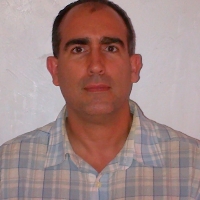
- Direct compassionate style
- Goal focused work
- Evidence informed approaches
About Arthur
Arthur uses a direct, warm style that aims to build trust quickly. In sessions he focuses on clear goals, practical steps, and noticing what gets in the way of change. He emphasizes small, manageable moves rather than large, intimidating plans.
His background includes work in independent practice and in inpatient settings. That experience includes helping people who survived serious crimes such as domestic violence, child sexual exploitation, and human trafficking. About half of his clinical work has involved women and young adults.
He draws on several well-known methods when they fit a person's situation. Common approaches include cognitive behavioral techniques to change unhelpful thinking, client-centered work to follow the person's pace, and solution-focused strategies to set short-term goals. He also uses existential and narrative ideas when exploring meaning and life stories.
Therapy with Arthur is collaborative. He listens for strengths, helps set realistic targets, and offers tools to practice between sessions. To begin, people complete a short matching questionnaire and then schedule according to the available times.
How his approaches translate to online therapy
Client-Centered Therapy emphasizes the person's experience and pace. The therapist listens closely, reflects what is said, and follows the client's lead to build trust and momentum. This approach helps when someone needs to feel understood and supported while they sort through emotions.Cognitive Behavioral Therapy (CBT) focuses on identifying and changing patterns of thinking and behavior that cause distress. It includes practical exercises and homework to try between sessions, useful for anxiety, depression, and relationship concerns.
Finding the right approach is often part of the work. He collaborates with each person to choose methods that match goals, preferences, and day-to-day life. That might mean trying a CBT technique for a few sessions, then shifting to narrative or client-centered work if needed.
Confirm the current session formats before booking, since the biography does not list specific options. Online therapy can make it easier to fit sessions into a busy schedule, reduce travel time, and allow shorter check-ins when needed. It also lets people use tools and worksheets between meetings so practice continues during the week.
Areas of expertise
Primary focus
Also works with
Additional focus areas
Therapeutic approaches
Experience
21+ years
Credentials
Florida
Languages
English
Frequently asked questions
What kinds of problems does he help with?
He works with relationship issues including jealousy, trauma and abuse, self-esteem, anxiety, depression, and stress. His practice also covers grief, addiction concerns, intimacy-related issues, eating difficulties, and caregiver stress.
What is his therapeutic style like?
Sessions are collaborative and practical, focusing on small steps and clear goals. He blends listening with concrete tools from several counseling approaches.
How much clinical experience does he have?
He has 21 years of experience in both independent practice and inpatient settings, including work with survivors of serious crimes and other acute concerns.
What credentials and location are listed?
He is a Florida licensed mental health counselor, listed as LMHC, and practices from Florida.
Which languages are offered for sessions?
Sessions are offered in English, and he accepts international clients.
What session formats are available?
The original biography does not specify session formats, so confirm current session options with the platform before booking.
How is cost handled for sessions?
Cost varies with location and therapist availability, and sessions use a subscription that can be canceled at any time.
How do I get started working with him?
Use the continue button on this profile, complete a short matching questionnaire, and schedule sessions according to the therapist's availability.