- CBT focused
- Mindfulness based
- Relationship skills
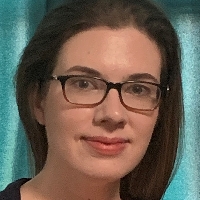
About Ashley
She uses Cognitive Behavioral Therapy to help people notice how thoughts shape actions and mood. Mindfulness practices are woven into sessions to build calm and focus. She also draws on Dialectical Behavior Therapy and Motivational Interviewing when those methods fit a person’s goals.
Ashley aims to create a warm, steady space where people can speak openly and tell difficult stories. She emphasizes clear, manageable steps rather than long lectures. Conversations often include specific skills to try between sessions.
Her social work background guides problem-solving that touches health, family roles, work, and community life. She also incorporates elements of the Gottman Method when relationship communication or intimacy issues are part of the work. This mix helps people handle things like grief, parenting strain, addiction concerns, and changes in life direction.
Sessions focus on what the person wants to change and how to get there. People leave with concrete tools, small goals, and a plan to move forward. If someone wants to start, they complete a brief matching questionnaire and arrange sessions based on availability.
How therapy approaches translate to online work
CBT helps people spot unhelpful thoughts and try new behaviors. Online sessions using CBT often include short exercises, thought records, and homework to practice between meetings. DBT teaches emotion regulation, distress tolerance, and clearer communication. In an online setting DBT work can focus on skills training, role-play of conversations, and step-by-step plans for strong emotions.Finding the right approach is part of the process. The therapist will collaborate with each person to pick methods that fit their goals and daily life. That means trying techniques, checking what helps, and adjusting the plan as needed rather than sticking to one method from the start.
The original biography does not list specific session formats, so confirm current options before booking. Online work can make it easier to fit therapy into a busy week, allow shorter check-ins when needed, and reduce travel time. It also lets people practice skills in real-life settings and bring those experiences back to the next session for review.
Areas of expertise
Primary focus
Also works with
Additional focus areas
Therapeutic approaches
Experience
7+ years
Credentials
West Virginia, Virginia
Languages
English
Frequently asked questions
What concerns does Ashley help with?
She supports people with stress, anxiety, depression, trauma, relationship and family issues, and many related concerns such as grief, intimacy issues, addictions, and parenting strain.
What is her therapeutic style like?
Her style is practical and warm. Sessions focus on short-term skills, clear steps, and small changes that add up over time.
How much clinical experience does she have?
She has seven years of experience working in a community mental health setting with people from many backgrounds.
What credentials and region are listed?
She holds LICSW and LCSW credentials and practices in West Virginia.
Which languages are supported and can international clients join?
Sessions are offered in English. International clients are not currently accepted.
Which session formats are available?
The original biography does not specify session formats, so confirm current session options before booking to be sure they meet your needs.
How are fees handled?
Cost varies with location and therapist availability; sessions use a subscription that can be canceled at any time.
How do I begin working with her?
Use the continue button on this profile, complete a short matching questionnaire, and schedule sessions according to therapist availability.