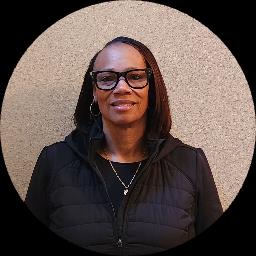
- Direct and experienced
- Relationship-focused
- Trauma-informed
About Betty
Betty trained at Oklahoma State University, earning a Master of Science in Community Counseling, and holds bachelor degrees in psychology and criminal justice. She has worked in correctional settings, drug court programs, methadone clinics, homeless services, and community programs. That range informs a straightforward, down-to-earth style in sessions.
Her approach mixes techniques to fit the person. She uses client-centered listening alongside Cognitive Behavioral Therapy and Dialectical Behavior Therapy skills. Emotion-focused methods and Eye Movement Desensitization and Reprocessing are also part of her toolbox when trauma and attachment come up.
Sessions emphasize active listening, encouragement, and small practical steps. Betty often uses goal-focused strategies, coping skills, and communication practice to help people manage strong emotions and rebuild trust in relationships. She also supports exploration of identity, intimacy, and alternative sexual cultures when those topics are relevant.
People who prefer direct, experienced guidance may find her style helpful. Her background includes supervisory and program leadership roles, and she now maintains a independent practice in Oklahoma. Language of service is English and she does not work with international clients.
Approaches you can try in online sessions
Client-centered therapy focuses on listening and supporting a person to find their own solutions. It helps when someone needs nonjudgmental space to talk through relationship problems, identity questions, or life transitions.Cognitive Behavioral Therapy, or CBT, breaks problems into thoughts, feelings, and actions. It teaches practical skills to change thinking patterns and reduce anxiety, depression, and jealousy-driven behaviors.
Dialectical Behavior Therapy, DBT, adds emotion regulation and distress-tolerance skills. It is useful for managing intense emotions, improving communication, and reducing impulsive behaviors related to addiction or relationship conflict.
Finding the right approach is a shared process. The therapist will discuss goals and try techniques together to see what fits. Sessions often mix methods so the plan matches the person's needs and preferences.
Confirm current session options before booking, as specific formats are not listed here. Online therapy can make it easier to fit appointments into a busy week, reduce travel time, and allow shorter check-ins when needed. Talk with the therapist about scheduling and what will work best for everyday life.
Areas of expertise
Primary focus
Also works with
Additional focus areas
Therapeutic approaches
Experience
18+ years
Credentials
Oklahoma
Languages
English
Frequently asked questions
What concerns does this therapist address?
She supports people with jealousy, anxiety, depression, addictions, trauma, relationship and intimacy issues, grief, self-esteem, and coping with life changes.
How would sessions feel or what is the style?
The approach is practical and client-centered, with active listening, encouragement, and concrete steps to manage emotions and improve communication.
What experience does the therapist bring?
She has 18 years of experience across corrections, drug court, methadone clinics, homeless services, and community programs, and now works in independent practice.
What credentials and where is she located?
She holds the LPC credential and practices in Oklahoma.
Which languages are supported?
Sessions are offered in English only.
Does she work with clients outside the country?
She does not accept international clients at this time.
How are fees and payment handled?
Cost varies with location and therapist availability; sessions use a subscription that can be canceled at any time.
How do I begin working together?
Click the continue button on this profile, complete the short matching questionnaire, and schedule sessions according to the therapist's availability.