- Direct practical style
- Focus on trauma
- CBT and DBT informed
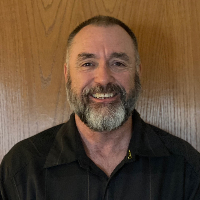
About Brett
Brett came into counseling after addressing his own PTSD following combat. That experience led him to focus on how trauma changes behavior and how symptoms can linger. Much of his clinical work has involved trauma symptoms and personality struggles, and he has carried those interests through emergency psychiatric assessment work in hospital settings.
His style in session is direct and practical. He often uses dialectical behavior therapy to teach emotion regulation and coping skills, and he adapts methods when a case calls for a different approach. Brett also incorporates hypnosis informed by Ericksonian and transformational ideas when appropriate.
He describes diagnostic skill as a strength informed by years doing emergency assessments. That experience contributes to clear treatment planning and straightforward conversations about what to work on next. He aims to help people untangle difficult patterns and find concrete ways to move forward.
Outside of work he sails, backpacks, kayaks, and trains dogs with his wife. He also shares educational videos on a public YouTube channel that illustrate topics he covers in session.
How Brett’s approaches translate to online care
CBT helps identify unhelpful thoughts and test them with real-life experiments. It is useful for anxiety, depression, stress, and behavior change. DBT teaches practical skills for emotion regulation, distress tolerance, and clearer communication, which is helpful for intense emotions and interpersonal conflict.Brett also uses hypnotherapy with Ericksonian and transformational ideas to access imagination and change how people respond to memories or strong feelings. That approach can be combined with talk-based work when a client wants a different route to shift habits or reactions.
Choosing the right approach is part of the work together. Brett will talk with each person about symptoms, goals, and preferences and then recommend which methods to try first. He adapts over time based on what helps most, so the plan often changes as progress is made.
Session formats are not specified here, so confirm current options before booking. Online therapy can make it easier to fit appointments around work, travel, or caregiving by cutting down commute time and allowing more flexible scheduling. It can also let sessions focus on skill practice between meetings and make follow-up check-ins simpler to arrange.
Areas of expertise
Primary focus
Also works with
Additional focus areas
Therapeutic approaches
Experience
22+ years
Credentials
California
Languages
English
Frequently asked questions
What kinds of concerns does Brett address?
He supports people with stress, anxiety, depression, trauma and abuse, relationship and intimacy-related issues, addictions, and grief, among other concerns such as jealousy and infidelity.
How would you describe his therapeutic approach?
His style is direct and skills-focused. He commonly uses dialectical behavior therapy and borrows techniques from cognitive behavioral approaches and hypnotherapy when helpful.
How much clinical experience does he have?
He has 22 years of experience in counseling and has extensive work assessing and assisting people with trauma and personality-related issues.
What are his credentials and location?
He is a Licensed Marriage and Family Therapist - LMFT - licensed in California and practices from that state.
Which languages are sessions offered in?
Sessions are offered in English.
Can international clients work with him?
He accepts international clients, so people outside the U.S. may be able to arrange sessions depending on licensing and scheduling.
How are fees and payments handled?
Cost varies with location and therapist availability, and sessions use a subscription model that can be canceled at any time.
What is the first step to begin therapy?
Click the continue button on this profile, complete a short matching questionnaire, and then schedule sessions based on the therapist's availability.