- Client-centered care
- Skills-focused work
- Military-informed
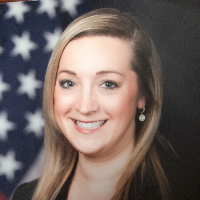
About Brittany
She uses a client-centered style that puts the person's goals first and looks for strengths to build on. Cognitive Behavioral Therapy techniques are used to identify patterns of thinking and develop concrete skills for managing mood and behavior. The Gottman Method and elements of Motivational Interviewing and Narrative Therapy also inform her work with relationship and identity concerns, including jealousy and infidelity.
Brittany has experience in community and military settings and currently provides counseling to service members and their dependents. That background informs her understanding of military life, caregiver stress, and first responder challenges. She brings a straightforward, respectful manner and aims to create a trusting connection quickly.
Sessions focus on finding small, workable changes and tools you can use between meetings. She helps people recognize strengths, try practical coping strategies, and develop clearer communication about needs and boundaries. The goal is to reduce overwhelming feelings and help clients move toward the life they want.
To begin, Brittany asks people to complete a short matching questionnaire so sessions align with their goals. Scheduling is arranged based on therapist availability and the service’s booking process.
How therapeutic approaches guide online work
Client-Centered Therapy focuses on listening and responding to what matters most to the person. The therapist follows the client's lead, reflects concerns, and helps clarify goals and values so change feels relevant and doable.Cognitive Behavioral Therapy (CBT) looks at how thoughts, feelings, and actions connect. It offers concrete tools to challenge unhelpful thoughts and build skills for managing anxiety, depression, and stress-related reactions.
Finding the right approach is an ongoing, collaborative process. The therapist will work with each person to choose methods and exercises that match their goals, preferences, and pace. That partnership helps tailor sessions to work on things like jealousy, trust, or coping after trauma.
Confirm current session options before booking so you know how meetings will be scheduled. Online therapy can make it easier to fit sessions into a busy life, reduce travel time, and allow for shorter check-ins when needed. It can also let people use video or audio based on what feels most comfortable and practical. Licensed professionals can adapt exercises, homework, and communication to the format you choose, helping therapy fit into everyday routines.
Areas of expertise
Primary focus
Also works with
Additional focus areas
Therapeutic approaches
Experience
15+ years
Credentials
District of Columbia
Languages
English
Frequently asked questions
What kinds of concerns does she help with?
She works with people facing relationship problems, trust or intimacy issues, jealousy, infidelity, and family conflicts, as well as anxiety, depression, trauma, and addictions.
How would you describe her therapy style?
Her style is client-centered and practical, focusing on strengths and small changes that help reduce stress and improve communication.
What is her professional background?
She has 15 years of clinical experience and has worked in community and military settings, providing counseling to service members and their dependents.
What credential does she hold and where is she located?
She is a Licensed Independent Clinical Social Worker, LICSW, practicing in the District of Columbia.
Which languages are supported for sessions?
Sessions are offered in English.
Can people outside the United States work with her?
She does not accept international clients at this time.
How are sessions billed or paid for?
Cost varies with location and therapist availability; sessions use a subscription model that can be canceled at any time.
How do I start a first session?
Use the continue button on this profile, complete a short matching questionnaire, and then schedule a session according to the therapist's availability.