- Practical coping skills
- Attachment awareness
- Mindfulness practices
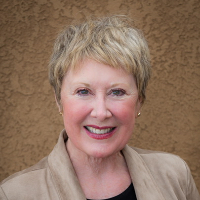
About Christine
Her approach combines practical, skill-based methods with attention to emotional patterns and attachment. She uses Cognitive Behavioral Therapy (CBT) and Dialectical Behavior Therapy (DBT) to build coping skills and manage intense emotions. She also draws on attachment-informed ideas to look at patterns that shape relationships and trust.
Sessions emphasize education, simple strategies, and boundary-setting that can make daily life feel more manageable. She often offers mindfulness and breathing practices, and encourages steps that support health, nutrition, and movement alongside talk therapy. The aim is usually to identify small, doable changes that add up over time.
Her background includes clinical work across many settings such as hospitals, hospice, long-term care, schools, and community programs. She also has training and experience in nursing and integrative approaches to wellness, which informs how she frames mental and physical self-care for clients.
People who come for help can expect a steady, pragmatic style that focuses on skills and insight. The therapist encourages pacing changes to fit real life and supports clients as they practice new ways of coping and relating.
Approaches that inform online care and practical coping
Acceptance and Commitment Therapy (ACT) focuses on noticing thoughts and feelings without getting stuck in them. It helps people clarify what matters most and take small actions that match those values. Cognitive Behavioral Therapy (CBT) targets unhelpful thinking and behavior patterns with step-by-step tools such as thought records and behavioral experiments. CBT is useful for anxiety, depression, sleep issues, and many daily problems. Attachment-Based Therapy looks at how early and current relationship patterns shape expectations and responses. It can help people understand trust, abandonment fears, and intimacy struggles.Finding the right approach is a collaborative process. The therapist will work with each person to try methods that fit their goals and lifestyle. Sessions typically begin by identifying the biggest immediate problems and testing practical techniques to see what helps most.
Confirm current session options before booking, as formats are not listed here. Online care can make it easier to fit therapy into a busy schedule, reduce travel time, and allow shorter check-ins when needed. It also lets people practice skills in the context of their everyday routines and bring real-life examples to sessions. Licensed professionals will collaborate on pacing so work on coping skills, boundaries, and emotional regulation fits into daily life.
Areas of expertise
Primary focus
Also works with
Additional focus areas
Therapeutic approaches
Experience
27+ years
Credentials
Colorado, Indiana, Ohio
Languages
English
Frequently asked questions
What concerns does she address?
She works with stress, anxiety, grief, depression, addictions, relationship and intimacy issues, and many related concerns such as eating, sleeping, parenting, anger, self-esteem, and ADHD.
How would you describe her therapy style?
Her style is practical and skills-focused, mixing CBT and DBT techniques with attachment-informed perspectives and mindfulness exercises.
What kind of experience does she have?
She has 27 years of clinical experience across settings including hospitals, hospice, long-term care, schools, and community programs.
What credentials and location are listed?
She holds LCSW and LISW credentials and practices from Colorado.
Which languages are sessions offered in?
Sessions are offered in English.
Can international clients work with her?
International clients are not currently accepted.
How are fees and payment handled?
Cost varies with location and therapist availability; sessions use a subscription that can be canceled at any time.
How do I begin working with her?
Click the continue button on this profile, complete a short matching questionnaire, and schedule according to therapist availability.