- Person-centered care
- Practical strategies
- Trauma-informed approach
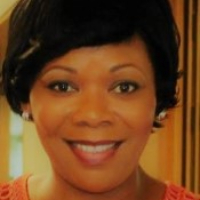
About Deborah
Dr. Sims draws on Client-Centered Therapy to make clients feel heard and respected. She combines that with Cognitive Behavioral Therapy to identify unhelpful thoughts and try new behaviors. Solution-Focused and Trauma-Focused ideas guide short-term goals and recovery from difficult events.
She has worked with people facing depression, anxiety, stress, and relationship concerns. She also supports those coping with grief, addictions, identity questions in LGBT clients, parenting strain, and career stress. Additional focus areas include attachment and family of origin issues, abandonment, adoption and foster care concerns, and challenges around commitment and communication.
Her style is attentive and genuine, with an emphasis on straightforward steps and open communication. Sessions aim to rebuild calm, improve coping, and restore a sense of direction after painful experiences. Dr. Sims encourages practical change while acknowledging emotional difficulty.
Dr. Sims is based in the District of Columbia and has experience across clinical settings. She holds a PhD in Psychology and uses her 20 years of experience to adapt methods to each person's needs. She offers services in English and accepts international clients.
How Dr. Sims' Approaches Work Online
Dr. Sims uses Client-Centered Therapy to put the person's experience first, offering steady listening and respectful feedback that helps people feel understood. Cognitive Behavioral Therapy (CBT) is used to identify patterns in thinking and test new behaviors, which can reduce anxiety, low mood, and relationship conflicts. Trauma-Focused Therapy helps people process difficult memories and develop coping tools after traumatic events.Finding the right approach is part of the work together. The therapist will talk with the client about goals, preferences, and daily life to decide which methods to try. That choice can change over time as progress is made and needs shift, and the plan is shaped collaboratively.
Confirm current session options before booking, as formats were not specified in the profile. Online work can make it easier to fit therapy into a busy schedule, reduce travel time, and allow shorter check-ins when needed. It can also let someone continue care during life changes or when regular in-person visits are difficult. Licensed professionals can discuss which session rhythm and format best suit each client during the first scheduling steps.
Areas of expertise
Primary focus
Also works with
Additional focus areas
Therapeutic approaches
Experience
20+ years
Credentials
District of Columbia, South Carolina
Languages
English
Frequently asked questions
What kinds of concerns does this therapist address?
She helps with relationship struggles, trauma and abuse, depression, anxiety, stress, and grief, among other issues listed in her specialties.
How would you describe her therapeutic style?
Her style is attentive and genuine, combining Client-Centered listening with practical, goal-oriented techniques to create workable steps forward.
What is her professional background?
She has 20 years of clinical counseling experience and a PhD in Psychology alongside other graduate degrees in counseling and behavioral psychology.
Where is she licensed and based?
She is a Licensed Professional Counselor (LPC) in the District of Columbia and holds credentialing that reflects practice in that region.
Which languages are supported for sessions?
Sessions are offered in English.
Can people outside the US work with her?
She accepts international clients, so people outside the United States can inquire about working together.
How are fees and payment handled?
Cost varies with location and therapist availability, and sessions use a subscription that can be canceled at any time.
What are the steps to begin therapy?
Start by selecting the continue button on this profile, complete a short matching questionnaire, and then schedule sessions according to therapist availability.