- Client-centered approach
- Skill-based techniques
- Relationship informed care
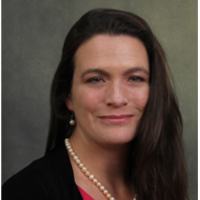
About Anne
Anne uses a client-centered stance that aims to empower people to make meaningful changes. She blends techniques from cognitive behavioral therapy and dialectical behavior therapy when they fit a person’s needs. Sessions tend to be practical and skills-focused when that helps, while still making space for deeper reflection.
People looking for help with parenting challenges, communication problems, codependency, commitment concerns, or body image find her approach adaptable. She also works with those facing chronic illness, caregiver strain, career stress, compassion fatigue, ADHD, and issues tied to aging or blended families. Anne includes relationship-focused methods such as the Gottman Method when relevant.
Her style is open and nonjudgmental. Clients set the goals and Anne offers tools, structure, and gentle challenge to reach them. Work in sessions can include practical exercises, thought records, emotion regulation skills, and guided conversation about patterns that cause pain.
Anne describes counseling as a process that can be hopeful and sometimes hard. She aims to guide people through change at a manageable pace while honoring their values and experience.
How therapeutic approaches guide remote work
Client-Centered Therapy focuses on listening and collaboration. The therapist follows the person’s lead, reflects concerns, and helps people set their own goals. This approach is useful for people who want a supportive, nonjudgmental space to sort through feelings and decisions.Cognitive Behavioral Therapy (CBT) looks at patterns of thought and behavior and teaches concrete skills to change them. It often helps with anxiety, depression, stress, and sleep or eating concerns by breaking problems into manageable steps.
Dialectical Behavior Therapy (DBT) emphasizes emotion regulation, distress tolerance, and better interpersonal skills. These tools can be helpful for intense emotions, anger, relationship conflicts, and impulsive behaviors.
Choosing the right approach is part of the work. Anne will collaborate with each person to match methods to goals and preferences, adjusting techniques as progress is made. The process is shared and practical rather than one-size-fits-all.
Confirm the current session options before booking, as formats are not listed here. Online therapy can make it easier to fit sessions into a busy week, reduce travel time, and allow shorter check-ins when schedules demand it. Discussing preferred pace, tools, and homework tasks in early sessions helps therapy fit into everyday life without guessing about how it will work.
Areas of expertise
Primary focus
Also works with
Additional focus areas
Therapeutic approaches
Experience
14+ years
Credentials
Colorado, North Carolina, District of Columbia, Virginia, New Mexico
Languages
English
Frequently asked questions
What concerns does Anne help with?
She assists people with stress, anxiety, addictions, relationship and intimacy issues, trauma and abuse, grief, mood disorders, and life changes among other concerns.
How would you describe the therapy style?
Sessions are client-centered and driven by each person’s goals. Anne mixes practical skills like CBT and DBT techniques with open, supportive conversation.
What is her background and experience?
Anne has 14 years working in mental health settings and experience across many populations and presenting problems.
Where is she licensed and based?
She holds LPC credentials and practices in North Carolina.
Which languages are supported?
Sessions are offered in English.
Can international clients work with her?
She does not accept international clients at this time.
How are sessions paid for?
Cost varies with location and therapist availability, and sessions use a subscription that can be canceled at any time.
How do I begin working with Anne?
Select the continue button on this profile, complete a short matching questionnaire, and then schedule according to therapist availability.