- Client-centered approach
- Trauma and grief support
- Mindfulness and CBT
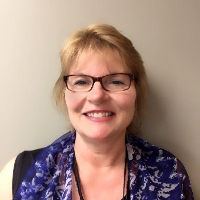
About Diane
She trained with a Master of Social Work from the University of Kansas and holds LCSW and LSCSW credentials. Much of her work has been in psychiatric settings, including senior counseling, hospice care, and services for veterans and first responders. She has also provided care to people in the LGBTQ+ community and to those coping with chronic illness and caregiver stress.
Diane’s approach is client-centered. She meets people where they are and moves at a pace that feels right. Sessions tend to focus on listening, practical problem-solving, and helping clients build skills to manage strong emotions and day-to-day demands.
She blends methods such as cognitive behavioral ideas, emotionally-focused work, existential thinking, and mindfulness to suit each person’s needs. Diane aims to be easy to talk with, compassionate, and occasionally willing to laugh when it helps the healing process. She works with people who want a thoughtful, steady guide through life’s changes.
If someone is considering starting therapy, Diane asks about their current concerns and goals and uses that information to shape ongoing sessions.
How therapeutic approaches guide online work
Client-centered therapy focuses on listening and responding to each person's needs. It helps when someone wants a therapist who follows their pace, values their experience, and builds the work around what matters most to them.Cognitive Behavioral Therapy, or CBT, looks at the connections between thoughts, feelings, and actions. It offers practical tools for managing anxiety, depression, and stress by changing unhelpful thinking patterns and behaviors.
Emotionally-Focused Therapy concentrates on emotions and attachment needs. It can help people better identify feelings, shift unhelpful patterns in close relationships, and build stronger emotional expression.
Finding the right approach is typically a team effort. The therapist will talk with the client about goals, preferences, and what has or hasn’t helped in the past, then try methods that fit those needs. This is an ongoing conversation and adjustments are made as progress is tracked.
If you are considering online sessions, confirm the specific session formats before booking. Online work can make scheduling easier, help fit therapy into a busy life, and reduce travel time. It also allows focused check-ins that can be shorter when needed, or more in-depth sessions when time allows. Licensed professionals can use these options to fit therapy into everyday routines while working toward personal goals.
Areas of expertise
Primary focus
Also works with
Additional focus areas
Therapeutic approaches
Experience
15+ years
Credentials
Missouri, Kansas
Languages
English
Frequently asked questions
What concerns does Diane commonly address?
Diane works with people experiencing stress, anxiety, depression, trauma and abuse, grief, addictions, and relationship or intimacy-related issues. She also supports those facing ADHD, compassion fatigue, career stress, and identity-related concerns.
What is her general therapeutic style?
Her style is client-centered and paced to the individual. Diane aims to listen first, then help people set practical goals and develop skills that fit their life.
How much clinical experience does she have?
She brings 15 years of clinical experience, much of it in psychiatric settings such as senior counseling, hospice, and work with veterans and first responders.
What credentials and region apply to this therapist?
She holds LCSW and LSCSW credentials and practices in Kansas while also noting Missouri licensure in her background.
Which languages are sessions offered in?
Sessions are offered in English.
Can people outside the country work with her?
International clients are not currently accepted.
How does payment and cost work?
Cost varies with location and therapist availability; sessions use a subscription model that can be canceled at any time.
How do I begin working with Diane?
Start by selecting the continue button on this profile, completing a short matching questionnaire, and then scheduling according to therapist availability.