- Collaborative approach
- Skill building
- Values driven
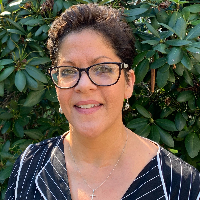
About Elizabeth
Elizabeth combines practical skills with a client-led approach. She uses Cognitive Behavioral Therapy to look at how thoughts influence feelings and behavior. She also draws on Acceptance and Commitment Therapy and attachment-based ideas to help people make choices that match their values and repair important connections.
Her background includes volunteering and an internship in hospice, which informed her work with grief and bereavement. Elizabeth completed a Master of Science in Clinical Counseling from Bellevue University and a Bachelor of Arts from Ashford University. She holds the LPC credential and brings 11 years of counseling experience.
In sessions she balances skills teaching with listening. Some people need practical coping tools; others want a space to talk through meaning, loss, or relationship stress. She adapts interventions to each person's needs and preferences.
Elizabeth has worked with a wide age range and a broad set of concerns, including stress, trauma, eating and body image issues, ADHD, and compassion fatigue. If someone is unsure where to start, she helps them set small goals and checks progress as they go.
How these approaches translate to online work
Acceptance and Commitment Therapy (ACT) focuses on helping people notice what matters to them and take actions that match their values, even when difficult thoughts or feelings arise. It can help with anxiety, depression, and life transitions. Cognitive Behavioral Therapy (CBT) looks at the links between thoughts, feelings, and behavior and teaches practical techniques to shift unhelpful patterns; it is often used for anxiety, mood concerns, and phobias. Attachment-Based Therapy pays attention to relationship patterns and how early bonds shape current connections, which can help with intimacy and trust issues.Finding the right approach is a collaborative process. The therapist will work with each person to match methods to their goals and preferences, trying different strategies and adjusting as needed. Clients help set priorities and decide what feels most useful in day-to-day life.
Confirm current session options before booking, as specific formats are not listed here. Online work can make it easier to fit sessions into a busy schedule, shorten travel time, and allow check-ins during a break at work. It also makes it simple to continue therapy through life changes and to practice skills where challenges typically occur.
Areas of expertise
Primary focus
Also works with
Additional focus areas
Therapeutic approaches
Experience
11+ years
Credentials
Pennsylvania
Languages
English
Frequently asked questions
What kinds of problems does she help with?
She works with stress, anxiety, depression, grief, relationship and intimacy concerns, eating and body image issues, ADHD, and related areas such as abandonment and attachment issues.
How would you describe her therapeutic style?
Her style is collaborative and person centered. She mixes listening with practical skills teaching so people leave sessions with concrete tools.
What is her professional background?
She has 11 years of counseling experience and has worked in settings that included hospice volunteering and internship work focused on grief and bereavement.
What credentials and location are listed?
She is a Licensed Professional Counselor (LPC) practicing in Pennsylvania.
Which languages are supported for sessions?
Sessions are offered in English.
Can people outside the United States work with her?
She is not accepting international clients at this time.
How are fees and payment handled?
Cost varies with location and therapist availability; sessions use a subscription that can be canceled at any time.
What steps should someone take to begin?
Use the continue button on this profile, complete a short matching questionnaire, and schedule according to the therapist's availability.