- Builds trusting relationships
- Works on attachment
- Focuses on practical change
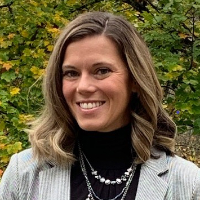
About Erika
Erika draws on several well-known approaches to tailor treatment to the issue at hand. She commonly uses attachment-based ideas to address how past bonds affect current relationships. She also uses client-centered methods to keep the client's priorities central, and cognitive behavioral techniques to change unhelpful thoughts and behaviors. Dialectical behavior strategies and emotionally-focused ideas appear in her work when they suit a person's goals.
Her experience includes supporting people facing addiction, trauma, eating concerns, depression, anxiety and sleep problems. Erika also helps people coping with grief, chronic illness and caregiver stress. She pays attention to family and relationship patterns, including blended families, commitment or communication issues, and attachment concerns.
Erika has three years of counseling experience and holds an LPC credential in West Virginia. Sessions are conducted in English and international clients are not accepted. The subscription-based sessions can be canceled at any time and cost varies by location and therapist availability.
To begin, select the continue button on this profile and complete the short matching questionnaire. A schedule will be arranged according to the therapist's availability.
How therapy approaches shape online care
Erika commonly draws on attachment-based work to look at how early bonds and unmet needs affect current relationships. This approach helps people notice patterns and practice new ways of relating. She also uses cognitive behavioral therapy, which looks at thoughts, feelings and behaviors and teaches practical tools to reduce anxiety, depression, and unhelpful habits.Choosing the right approach is a collaborative process. Erika will talk with each person about their goals and preferences, try approaches that fit those goals, and adjust the plan as progress is made. The focus is on what helps the individual feel and function better over time.
Confirm the available session formats before booking, as specific online options are not listed here. Online sessions can make it easier to fit therapy into a busy life by removing commute time and allowing meetings during work breaks or between appointments. They can also allow shorter check-ins when needed and reduce the need to be on camera for every session. Discussing practical scheduling needs during the intake helps find a workable routine.
Areas of expertise
Primary focus
Also works with
Additional focus areas
Therapeutic approaches
Experience
3+ years
Credentials
West Virginia
Languages
English
Frequently asked questions
What kinds of concerns does this therapist address?
She helps people with anxiety, depression, trauma and addiction. Other areas include relationship and intimacy issues, grief, sleep and eating concerns, caregiver stress, ADHD, and career or life changes.
What is her general therapy style?
Her style centers the client's goals and priorities. She builds trust, listens closely, and uses practical techniques to change thoughts and behaviors.
What is her clinical background and experience?
She has three years of counseling experience and additional clinical history working in various settings prior to this role. That background informs her approach to common issues like addiction and trauma.
What credentials and location are listed?
She holds an LPC, Licensed Professional Counselor, credential and practices from West Virginia.
Which languages are supported for sessions?
Sessions are offered in English only.
Are international clients accepted?
International clients are not currently accepted.
How does billing and cost work?
Cost varies by location and therapist availability. Sessions use a subscription that can be canceled at any time.
How do I get started with therapy?
Select the continue button on this profile, complete the short matching questionnaire, and then schedule according to the therapist's availability.