- Respectful listening
- Practical steps
- Goal oriented
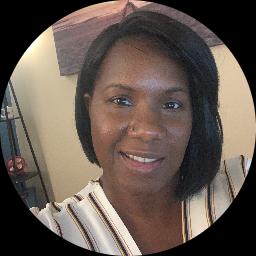
About Jarmela
With 12 years of experience, she adapts conversations and plans to each person’s needs. Sessions focus on understanding what matters to the client and on building skills they can use between meetings. That can mean working on communication problems, coping with life changes, or managing strong emotions like anger and grief.
Her approach draws on methods such as Acceptance and Commitment Therapy and Cognitive Behavioral Therapy, along with client-centered listening and motivational interviewing. Trauma-focused techniques are available when past events are affecting daily life. She avoids one-size-fits-all plans and adjusts methods to match goals and comfort level.
People come for a range of concerns beyond mood, including career questions, compassion fatigue, attachment or codependency worries, and challenges around intimacy or commitment. She also supports those coping with disasters, hospice and end-of-life issues, and feelings of emptiness or isolation.
Jarmela encourages anyone taking the step toward therapy. She asks straightforward questions to clarify goals, then crafts a workable plan with measurable steps. The emphasis is on steady progress and practical tools that fit everyday life.
How therapeutic approaches shape online work
Acceptance and Commitment Therapy (ACT) focuses on clarifying values and taking small, meaningful actions even when thoughts or feelings feel difficult. It can help when worry, emptiness, or relationship doubt gets in the way of living the life someone wants. Cognitive Behavioral Therapy (CBT) helps people notice unhelpful thinking patterns and try different behaviors to reduce anxiety or depression. It is often used for stress, mood concerns, and relationship patterns.Finding the right approach is part of the process. The therapist will work together with the client to pick methods that match goals and comfort. That means trying techniques, checking how they feel, and adjusting plans so the work stays useful and doable.
Practical benefits of online therapy include fitting sessions into busy schedules and keeping momentum between appointments. Because the biography does not list specific session formats, confirm current session options before booking. Many people appreciate that online sessions can make it easier to attend during a work break, reduce travel time, or allow shorter check-ins when life is hectic. Licensed professionals can guide strategy, homework, and skills practice in a way that fits day-to-day life.
Areas of expertise
Primary focus
Also works with
Additional focus areas
Therapeutic approaches
Experience
12+ years
Credentials
Florida
Languages
English
Frequently asked questions
What kinds of problems does she help with?
She assists people with stress, anxiety, depression, relationship strain, grief, jealousy, and anger, among other concerns listed in her specialties.
What is her general therapy style?
She uses a practical, person-focused style that combines listening with skill-building. Sessions aim to identify clear goals and workable steps between meetings.
How much professional experience does she have?
She has 12 years of professional experience supporting people through mood concerns, trauma-related issues, and life transitions.
What are her credentials and where is she based?
She is a Licensed Mental Health Counselor (LMHC) licensed in Florida and practices from that state.
Which languages are supported?
Sessions are offered in English only and international clients are not currently accepted.
What session formats are available?
Session formats are not specified in the biography; please confirm current session options before booking.
How does pricing work?
Cost varies with location and therapist availability, and sessions use a subscription that can be canceled at any time.
How do I begin working with her?
Select the continue button on this profile, complete a short matching questionnaire, and schedule according to therapist availability.