- Strengths focused
- Trauma informed
- Practical skills
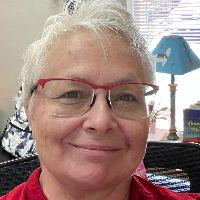
About Jennifer
Her approach is calm and practical. She focuses on a client-centered, strengths-based way of working. Jennifer aims to build trust and offer a nonjudgmental space where people can say what they need to say and begin to find steady footing.
In sessions she draws on methods that include Acceptance and Commitment Therapy, Cognitive Behavioral Therapy, Dialectical Behavior Therapy, Emotionally-Focused Therapy, and client-centered work. Those methods are used to help people learn skills, shift unhelpful patterns, and increase emotional awareness.
Jennifer has eight years of clinical experience and has treated a broad range of traumatic events and their long-term effects. She has worked with issues that follow domestic violence, childhood abuse and neglect, sexual violence, and other serious stressors. That background informs how she supports people with chronic stress, anger, and relationship strains.
Her style is collaborative and strengths focused. She listens first, then helps people set practical goals. Sessions emphasize skills practice, clearer communication, and small changes that matter day to day.
Therapeutic approaches for online care
Acceptance and Commitment Therapy (ACT) helps people notice difficult thoughts and feelings without getting stuck in them. It emphasizes values and small actions that move a person toward a meaningful life, which can help with anxiety, depression, and coping with life changes.Cognitive Behavioral Therapy (CBT) focuses on identifying unhelpful thoughts and testing them with real-world experiments. It is often used to reduce anxiety, manage mood symptoms, improve sleep, and change patterns that keep problems going.
Dialectical Behavior Therapy (DBT) teaches practical skills for managing strong emotions, improving distress tolerance, and handling conflict. It can be useful for anger, mood instability, and relationship struggles.
Finding the right approach is part of the work. The therapist will collaborate with each person to decide which methods fit their goals, needs, and preferences. That collaborative process can include trying different strategies and adjusting as progress is made.
Confirm current session options before booking, since formats are not listed here. Online sessions can make it easier to fit therapy into a busy life, reduce travel time, and allow check-ins during a workday break. People should check which session formats are available and schedule in a way that fits their daily routine.
Areas of expertise
Primary focus
Also works with
Additional focus areas
Therapeutic approaches
Experience
8+ years
Credentials
Florida
Languages
English
Frequently asked questions
What kinds of problems does she help with?
She supports people with stress, anxiety, depression, grief, relationship and intimacy issues, addictions, parenting concerns, and trauma-related difficulties.
How would you describe her therapy style?
The approach is client-centered and strengths based, with an emphasis on trust and a nonjudgmental relationship. Sessions tend to be practical and goal oriented.
What experience does she bring to sessions?
She has eight years of clinical experience working with trauma, mood disorders, ADHD, and a variety of stress-related and relationship concerns.
What credential does she hold and where is she located?
She is a Licensed Clinical Social Worker (LCSW) licensed in Florida and practices from that state.
Which languages are supported in sessions?
Sessions are offered in English.
Can people outside the U.S. meet with her?
International clients are not currently accepted.
How are fees handled for sessions?
Cost varies with location and therapist availability, and sessions use a subscription that can be canceled at any time.
How do I begin working with her?
Start by selecting the continue button on this profile, complete a short matching questionnaire, and schedule according to therapist availability.