- Client-centered approach
- Skills for anxiety
- Practical coping tools
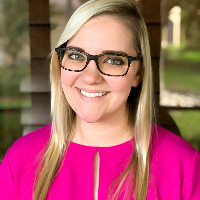
About Jessica
She draws from several practical methods, including client-centered work, cognitive behavioral strategies, and dialectical behavior tools. Sessions emphasize clear goals, skill-building, and straightforward talk about patterns that keep problems going. Jessica adapts the plan to each person instead of using one fixed method.
Her background spans about 10 years in the field and includes work with mood disorders, personality concerns, and co-occurring addiction. That experience informs a flexible approach to common life stresses like career shifts, caregiving strain, and changes after separation or loss. She highlights empathy, respect, and sensitivity in the work.
In sessions, Jessica mixes problem-focused techniques with attention to feelings and relationships. That can mean practicing coping skills, checking how thoughts affect behavior, and naming attachment or abandonment patterns that affect relationships. The pace and focus change to match personal goals.
She communicates plainly and partners with people to build practical steps forward. The overall aim is to help people feel more in control of daily struggles and clearer about next steps.
How therapeutic approaches translate to online work
Client-centered therapy focuses on listening and following the person’s lead, helping them feel heard and understood while they set the pace. It is useful for concerns tied to self worth, relationships, and making choices about next steps.Cognitive Behavioral Therapy (CBT) looks at how thoughts, feelings, and behaviors interact. It uses practical exercises and homework to change unhelpful patterns, which can help with anxiety, depression, and sleep or eating concerns.
Dialectical Behavior Therapy (DBT) teaches skills for managing intense emotions and improving interpersonal effectiveness. It is often used when strong mood swings, anger, or self-destructive patterns get in the way of daily life.
Finding the right approach is part of the work. The therapist will collaborate with each person to choose techniques that match their goals, needs, and preferences. That process can involve trying different tools and adjusting the plan as progress is made.
Confirm session options before booking, as the available formats are set by the practice. Online sessions can make it easier to fit therapy into a busy day, allow for shorter check-ins when needed, and reduce travel time. They also let people use focused skill-practice from wherever they are, which can help translate learning into everyday routines.
Areas of expertise
Primary focus
Also works with
Additional focus areas
Therapeutic approaches
Experience
10+ years
Credentials
Florida
Languages
English
Frequently asked questions
What kinds of concerns does Jessica help with?
She supports people dealing with stress, anxiety, depression, self esteem, relationship concerns, and intimacy-related issues, among many other areas such as addiction and grief.
How would you describe her therapy style?
Her style is collaborative and adaptable, combining client-centered conversation with goal-focused techniques to build skills and clarity.
What experience does she bring?
She has about 10 years of experience working with mood disorders, personality concerns, co-occurring addiction, and life transition issues.
Where is she licensed and based?
She is a Licensed Mental Health Counselor, FL LMHC, and practices in Florida.
Which languages are sessions offered in?
Sessions are offered in English.
Can international clients work with her?
She does not accept international clients at this time.
How are sessions priced?
Cost varies with location and therapist availability; sessions use a subscription that can be canceled at any time.
How do I begin working with her?
Select the continue button on this profile, complete a short matching questionnaire, and schedule according to therapist availability.