- Client-centered care
- CBT strategies
- Mindfulness supported
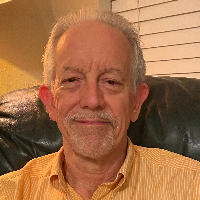
About John
John left a long restaurant management career to pursue counseling after his own life change. That shift informs how he supports people making major transitions. He uses straightforward conversation, active listening, and practical strategies to help people find direction and regain momentum.
His approach adapts to each person's needs. He draws on client-centered techniques to build trust and on cognitive behavioral methods to identify unhelpful thoughts and behaviors. He also uses mindfulness and motivational interviewing tools when those fit a person's goals.
Sessions often include goal-setting, simple skill practice, and short homework tasks people can apply between meetings. He encourages meditation and mindful habits for those interested in reducing reactivity and improving focus.
Clients come to him after big life events such as loss, divorce, or job changes, and when everyday pressures lead to feeling stuck. He frames the work as collaborative and practical, aiming to help people make clearer choices and to restore a sense of purpose.
How his approaches translate to online therapy
Client-centered therapy focuses on listening and building understanding, and works well online through open conversation and reflective questions that help people feel heard. Cognitive behavioral therapy (CBT) breaks problems into thoughts, feelings, and actions; online sessions can use worksheets and between-session assignments to practice new skills. Mindfulness therapy teaches simple attention and breathing practices that people can learn in-session and repeat during daily life to reduce reactivity.Choosing the right approach is collaborative. The therapist will talk with each person about goals and preferences and try different methods to see what fits. Sessions are shaped around what the client wants to change and what works for their schedule and style.
Because the biography does not list specific session formats, confirm current options before booking. Online therapy can make it easier to fit sessions into a busy life, require less travel time, allow shorter check-ins when needed, and support continuation of care during transitions. Licensed professionals can adapt exercises, worksheets, and mindfulness practices for remote work so clients can keep progressing between meetings.
Areas of expertise
Primary focus
Also works with
Additional focus areas
Therapeutic approaches
Experience
12+ years
Credentials
Texas
Languages
English
Frequently asked questions
What concerns does he address?
He helps with stress, anxiety, addictions, trauma and abuse, self-esteem, ADHD, depression, grief, relationship and intimacy-related issues including jealousy, and many related life challenges.
How would you describe his therapy style?
He uses a practical, conversational style that combines client-centered listening with goal-focused techniques such as cognitive behavioral tools and motivational interviewing.
What is his professional background?
He has 12 years of experience working as a therapist and life coach, and moved into counseling after a career in restaurant management.
Where is he licensed and located?
He is an LPC - Licensed Professional Counselor - practicing in Texas.
Does he work in other languages or with international clients?
Sessions are offered in English, and he accepts international clients.
What session formats are available?
Please confirm current session options before booking, as the biography does not list specific formats.
How are sessions priced?
Cost varies with location and therapist availability; sessions use a subscription that can be canceled at any time.
How do I begin working with him?
Use the continue button on this profile, complete a short matching questionnaire, and schedule according to the therapist's availability.