- 20 years experience
- LMFT in California
- Attachment and CBT
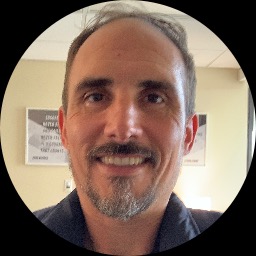
About John
John uses a straightforward, respectful approach in sessions. He listens first and adapts conversation and goals to what matters to each person. He emphasizes practical steps alongside chances to talk about painful feelings.
In therapy he draws on attachment-focused ideas to look at how early relationships shape current patterns. He often uses client-centered methods to keep the work focused on the person's priorities. Cognitive Behavioral Therapy (CBT) is used when people want concrete tools to change unhelpful thoughts and behaviors.
He also brings elements of existential thinking for people wrestling with meaning, and the Gottman Method for those wanting to improve communication habits. John aims to blend these approaches so they fit the client rather than forcing a single method.
Sessions are collaborative and goal-oriented. People can expect clear explanations, practical strategies, and ongoing check-ins about progress. John frames therapy as a partnership to help people move toward a more satisfying life.
Approaches that guide online sessions
Attachment-Based Therapy looks at how early bonds influence current connections and emotional reactions; it helps people understand patterns that affect trust and closeness. Client-Centered Therapy makes the person the focus of every session, with the therapist following the client's lead and offering a supportive, nonjudgmental space. Cognitive Behavioral Therapy (CBT) provides clear tools to identify and shift unhelpful thoughts and behaviors, which can reduce anxiety and improve mood.Finding the right approach is part of the work. The therapist will talk with the client about needs, goals, and preferences, and then decide together which methods to try. That collaboration makes it easier to adjust the plan if something isn't helping.
Session logistics should be confirmed before booking. The biography does not list specific session formats, so please check current options with the service when you schedule. Online therapy can make it simpler to fit sessions into a busy week, shorten commute time, and allow different ways of checking in when life gets hectic. Therapists can use structured skill practice, focused problem-solving, or open conversations over remote sessions to support progress without demanding extra travel.
Areas of expertise
Primary focus
Also works with
Additional focus areas
Therapeutic approaches
Experience
20+ years
Credentials
California
Languages
English
Frequently asked questions
What concerns does John commonly address?
He supports people with stress, anxiety, relationship difficulties, grief, coping with life changes, addictions, parenting strain, low self-esteem, depression, bipolar disorder, and related issues.
What is his overall therapy style?
He takes a respectful, adaptable approach that centers the person's goals. Sessions combine listening, practical steps, and regular check-ins about progress.
How much clinical experience does he have?
He has 20 years of professional experience working with a broad range of concerns and life transitions.
What credential does he hold and where is he located?
He is a Licensed Marriage and Family Therapist, LMFT, licensed in California and practices in that state.
Which languages are available for sessions?
Sessions are offered in English.
Can people outside the U.S. work with him?
He does not accept international clients at this time.
How are fees and payment handled?
Cost varies with location and therapist availability; sessions use a subscription that can be canceled at any time.
How do I begin working with him?
Select the continue button on this profile, complete a short matching questionnaire, and schedule according to the therapist's availability.