- Focus on practical skills
- Trauma-informed care
- Collaborative process
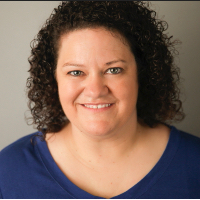
About Katherine
Her practice emphasizes a steady, compassionate presence. She builds a space where clients can talk through painful memories and current struggles. Katherine focuses on practical steps people can try between sessions to reduce distress and improve daily functioning.
She uses a mix of approaches to match each person’s needs. That can include acceptance and commitment strategies, cognitive behavior tools, emotion-focused work, and skills from dialectical behavior therapy. Sessions center on understanding what matters to the person and teaching concrete skills to handle hard moments.
Katherine draws on four years of clinical experience as an LCSW in North Carolina. She has worked with young adults, veterans, first responders, and people facing workplace stress. That background informs her attention to reactions that come from high-pressure jobs or difficult life events.
Her style is straightforward and respectful. She listens for patterns that keep people stuck and offers tailored exercises and reflections. People who want help sorting their priorities, repairing strained connections, or managing mood symptoms may find this approach helpful.
Approaches that guide online work and goals
Acceptance and Commitment Therapy (ACT) helps people notice painful thoughts without getting ruled by them. It emphasizes clarifying values and taking small actions that move someone toward a meaningful life, which can help with anxiety, low mood, and life transitions.Cognitive Behavioral Therapy (CBT) focuses on spotting unhelpful thinking and testing new behaviors. It teaches concrete tools for managing worry, depression, and stress through step-by-step practice and short exercises between sessions.
Finding the right approach is part of the work. The therapist collaborates with each person to pick methods that fit their goals, needs, and day-to-day realities. That means trying tools, checking what helps, and adjusting the plan together over time.
Confirm current session options before booking, as the biography does not list specific formats. In general, online work can make it easier to keep appointments around busy schedules, reduce travel time, and fit brief check-ins into a lunch break. It also allows using worksheets, in-session exercises, and between-session practice consistently, so skills can be tried and refined in everyday life.
Areas of expertise
Primary focus
Also works with
Additional focus areas
Therapeutic approaches
Experience
4+ years
Credentials
North Carolina
Languages
English
Frequently asked questions
What issues does she commonly address?
She works with stress, anxiety, trauma and abuse, grief, addictions, relationship concerns, parenting challenges, and intimacy-related issues among others.
How would you describe her therapy style?
The approach is warm and steady with an emphasis on practical steps. Sessions mix listening, skill teaching, and homework to help people manage daily problems.
What kind of clinical experience does she bring?
She has four years of experience and has worked with young adults, veterans, first responders, and people coping with workplace stress.
What credentials and region are listed for this therapist?
She is an LCSW - Licensed Clinical Social Worker - practicing in North Carolina.
Which languages are supported for sessions?
Sessions are offered in English and international clients are accepted.
What session formats are available?
The original biography does not list specific session formats, so confirm current session options before booking.
How are fees and payment handled?
Cost varies with location and therapist availability; sessions use a subscription that can be canceled at any time.
How do I begin work with this therapist?
Select the continue button on this profile, complete a short matching questionnaire, and schedule according to therapist availability.