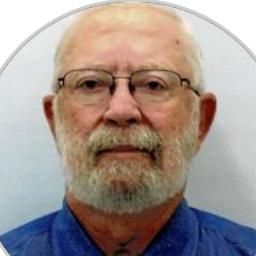
- 40 years experience
- Client-centered care
- Works with anxiety
About Louis
He creates an open, nonjudgmental space for clients to talk about thoughts and feelings. Sessions emphasize listening first, then working together on practical ways to cope. Conversations are straightforward and grounded in day-to-day concerns rather than jargon.
Over four decades of work have shaped an adaptable approach. Louis draws on client-centered methods to follow each person’s lead. He also uses skills from cognitive behavioral therapy to identify unhelpful thinking and from dialectical behavior therapy to teach emotion regulation techniques.
People come to him for many reasons, including grief, trauma and abuse, intimacy-related issues, eating or sleeping problems, parenting stress, and career concerns. He also supports those dealing with ADHD, bipolar mood challenges, compassion fatigue, and first responder stress. His practice addresses complex overlaps like co-morbidity, codependency, and attachment issues.
Sessions focus on practical steps and clearer communication. Louis helps clients set small, realistic goals and build skills to manage difficult moments. He encourages steady progress and checks in about what’s working and what needs to change.
How therapy approaches translate to online work
Client-centered therapy focuses on listening closely and following the client's concerns. In practice this means sessions begin with the therapist asking what matters most and adapting the pace to each person. Cognitive behavioral therapy, or CBT, helps people notice and change unhelpful thinking and habits. It often uses short exercises and homework to test new ways of thinking between sessions. Dialectical behavior therapy, or DBT, teaches emotion regulation, distress tolerance, and interpersonal skills in clear, practical steps that can be practiced outside the session.Finding the right approach is part of the work together. The therapist will talk with the client about goals, daily challenges, and personal style, then recommend strategies to try. Decisions about methods and pacing are collaborative and revisited as progress is made.
Confirm current session options before booking so you know what formats are offered. Online therapy can make it easier to fit sessions into a busy week, support shorter check-ins, and reduce travel time. It also lets people use tools like worksheets or guided exercises between sessions to reinforce new skills. Ask about specific session arrangements when you schedule to match therapy to your day-to-day needs.
Areas of expertise
Primary focus
Also works with
Additional focus areas
Therapeutic approaches
Experience
40+ years
Credentials
Kansas, Missouri
Languages
English
Frequently asked questions
What kinds of concerns can Louis help with?
He helps people with stress, anxiety, addictions, relationship and LGBT-related issues, depression, trauma and abuse, grief, intimacy concerns, eating and sleeping problems, parenting stress, anger, self-esteem, career issues, bipolar, ADHD, and related challenges.
What is his general therapy style?
He emphasizes an open, nonjudgmental atmosphere and listening first. Work in sessions is practical, focusing on everyday coping skills and clearer communication.
How much experience does he bring?
He has 40 years of professional work experience in clinical practice and related settings.
What are his credentials and where is he based?
He holds LSCSW and LCSW credentials and practices in Kansas with licensure ties to Missouri listed in his background.
Which languages are supported for sessions?
Sessions are offered in English.
Can international clients work with him?
He is not accepting international clients at this time.
How are sessions paid for and what does cost look like?
Cost varies with location and therapist availability; sessions use a subscription that can be canceled at any time.
How do I begin if I want to work with him?
Select the continue button on this profile, complete a short matching questionnaire, and schedule based on therapist availability.