- Practical goal setting
- Insight and behavior
- Trauma-aware care
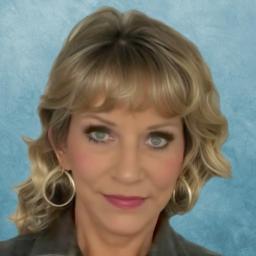
About Lynne
Her style is collaborative and straightforward. She listens first, then helps set clear, manageable goals. Sessions can focus on immediate problems or dive into deeper patterns depending on what a person needs. Lynne aims to reduce shame and blame while helping people gain energy and direction.
In therapy she blends insight-oriented psychodynamic work with practical tools from cognitive behavioral approaches. She also draws on trauma-focused and somatic ideas when past hurt shows up in the body or daily life. This mix allows sessions to address both emotional patterns and everyday coping skills.
With long experience across mood disorders, trauma, and major life changes, she helps people rebuild relationships, process loss, and boost self-acceptance. Her approach is personal and grounded rather than clinical-sounding. She encourages small, doable steps toward change so progress feels achievable.
If someone is unsure how to begin, Lynne guides a clear path forward. She supports people as they experiment with new ways of thinking, feeling, and relating. The goal is calmer days, clearer choices, and renewed hope.
Approaches that guide online work and progress
Many clients benefit from Cognitive Behavioral Therapy because it focuses on changing unhelpful thoughts and behaviors. CBT offers concrete tools for anxiety, depression, stress, and relationship patterns. It helps people practice new responses between sessions.Psychodynamic therapy helps people notice recurring patterns that come from past experiences. This approach is useful when emotions or relationship reactions feel mysterious or repetitive. It often leads to clearer self-understanding over time.
Finding the right approach is collaborative. The therapist will talk with the client about goals, preferences, and what feels most useful. Together they may try structured exercises, insight work, or body-focused techniques and adjust the plan as needed.
Confirm the current session options before booking to learn how Lynne runs online work. In general, online therapy can make it easier to fit sessions into a busy life, reduce travel time, and allow shorter check-ins when schedules demand it. It can also let people use video or audio in ways that match energy and comfort. Licensed professionals adapt online methods to help with coping skills, trauma processing, and relationship problem-solving.
Areas of expertise
Primary focus
Also works with
Additional focus areas
Therapeutic approaches
Experience
25+ years
Credentials
North Carolina
Languages
English
Frequently asked questions
What kinds of problems does Lynne address?
She helps people with stress, anxiety, depression, trauma and abuse, relationship and intimacy-related issues, addictions, and coping with life changes.
How would you describe her therapeutic style?
Lynne uses a collaborative, down-to-earth approach that combines insight work with practical strategies to meet immediate goals.
What is her clinical background?
She holds a Master of Social Work from the University of North Carolina at Chapel Hill and has 25 years of clinical experience working with mood disorders, trauma, and life transitions.
Where is she based and what credential does she hold?
She practices in North Carolina and is a Licensed Clinical Social Worker (LCSW) in that state.
Which languages are sessions offered in?
Sessions are offered in English.
Can international clients work with her?
She is not currently accepting international clients.
How are costs and payment handled?
Cost varies by location and therapist availability; sessions use a subscription that can be canceled at any time.
How do I begin a first session?
Use the continue button on this profile, complete a short matching questionnaire, and schedule according to therapist availability.