- Warm and straightforward
- Goal focused
- Strengths based
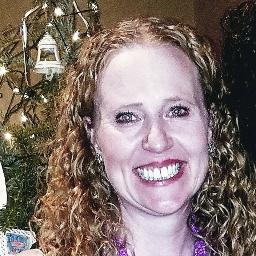
About Mary
Mary uses straightforward conversations to map what matters most to a client. She helps people notice patterns in thoughts and behavior, and then tries small, usable shifts that fit day-to-day life. Sessions aim to be collaborative and respectful of each person’s goals.
With three years of experience as an LCSW, Mary has worked with concerns that include depression, grief, addiction, intimacy-related issues, and ADHD. She also addresses family and caregiver stress, body image and commitment concerns, and the effects of chronic illness on daily routines. Her practice includes attention to LGBT issues and the impact of trauma and abuse.
Her approach draws from client-centered principles and cognitive behavioral techniques, along with solution-focused and trauma-informed ideas. That mix helps clients link current problems to small, practical steps they can test between sessions. Mary aims to keep language plain and plans concrete so progress can be noticed.
People who choose her often want a down-to-earth therapist who listens and helps build realistic strategies. If you’re curious about starting, she invites you to take the first step and set up a match questionnaire to see if her style fits your needs.
How Mary uses therapy approaches online
Client-Centered Therapy focuses on listening and reflecting what matters to the client. This approach helps people feel heard and guides conversations toward their own priorities. Cognitive Behavioral Therapy, or CBT, looks at how thoughts and behaviors link to feelings and then tests small changes to shift those patterns; it is often helpful for anxiety, depression, and many everyday challenges.Finding the right approach is a collaborative process. Mary will work with each person to pick methods that fit their goals and daily life. Together they decide what feels useful and adjust plans as needs change rather than sticking to a single method from the start.
Confirm the available session formats before booking, as options are not specified in the biography. Online work can make it easier to fit therapy into a busy schedule, allow shorter check-ins when needed, and reduce commute time so appointments can be squeezed into a lunch break or between errands. It can also make it simpler to continue work when life circumstances change. Licensed professionals can use these approaches effectively in conversations over distance, and Mary will help you choose the best way to proceed based on your situation and preferences.
Areas of expertise
Primary focus
Also works with
Additional focus areas
Therapeutic approaches
Experience
3+ years
Credentials
Illinois
Languages
English
Frequently asked questions
What concerns can Mary help with?
She supports people managing stress, anxiety, depression, grief, addictions, and trauma-related issues among other concerns. Her listings also include relationship and intimacy challenges, LGBT matters, ADHD, and caregiver or family stress.
How would you describe her therapeutic style?
Her style is collaborative and plainspoken, focusing on listening first and then working on practical changes. She blends client-centered conversation with cognitive behavioral and solution-focused techniques.
What is her professional background?
Mary has three years of professional experience as a Licensed Clinical Social Worker. She writes that she views clients as the experts in their own lives and builds on their strengths.
Where is Mary licensed and based?
She is licensed in Illinois as an LCSW and practices from that state.
Which languages are available for sessions?
Sessions are offered in English.
Can international clients work with her?
She does not accept international clients at this time.
How are costs and billing handled?
Cost varies with location and therapist availability; sessions use a subscription that can be canceled at any time.
What are the steps to begin working together?
Begin by selecting the continue button on this profile, completing a short matching questionnaire, and then scheduling based on therapist availability.