- Client-centered
- Practical skills
- Trauma-informed
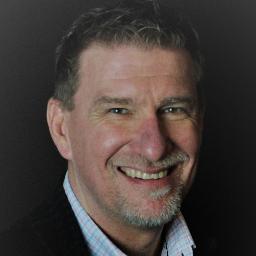
About Michael
Michael draws on a client-centered, solution-focused approach in sessions. He uses cognitive behavioral ideas to spot patterns that cause pain and to test small changes. He also brings existential questions into conversations when people are trying to find meaning after loss or big life change. His background includes work in addictions and trauma-related concerns, so he often blends these methods to match the person in front of him.
He speaks plainly about coping skills and motivation. Sessions typically look like checking what matters most that week, practicing a new skill, and planning one manageable step to try before the next meeting. Michael emphasizes meeting people where they are and avoiding judgment while working at the person’s pace.
With three years as an LPC, he focuses on real-life, usable tools rather than jargon. People who have experienced family conflict, abandonment, codependency, or substance use-related problems may find his straightforward style practical and direct.
To begin, a person would follow the platform’s matching process and schedule a time to talk. Michael works in English and is located in Missouri.
How Michael’s approaches work online
Client-centered therapy focuses on the person’s priorities and builds on their strengths. In practice this means conversations that follow the client’s concerns, and work together on what feels most urgent or meaningful. Cognitive Behavioral Therapy, or CBT, looks at thoughts and behaviors that keep problems going and teaches practical exercises to test new ways of thinking and acting. EMDR is a trauma-focused method that aims to reduce the intensity of distressing memories through guided processing; it is often used when past events continue to cause strong reactions.Choosing the right approach is a collaborative process. The therapist will talk with the client about goals, try a method, and adjust based on what helps. That decision is guided by the person’s needs, preferences, and life situation rather than a fixed plan.
Confirm the session formats before booking so you know what is offered. Online therapy can make it easier to fit sessions into a busy week, avoid travel time, use shorter check-ins, or choose a session style that matches a person’s energy on a given day. Licensed professionals can tailor exercises, homework, and pacing to work well in remote sessions while keeping the focus on useful change.
Areas of expertise
Primary focus
Also works with
Additional focus areas
Therapeutic approaches
Experience
3+ years
Credentials
Missouri
Languages
English
Frequently asked questions
What kinds of concerns does Michael address?
He supports people with stress, anxiety, addictions, trauma and abuse, depression, grief, intimacy issues, and related family or relationship problems.
How would you describe his therapeutic style?
Sessions are client-centered and solution-focused, with an emphasis on practical steps and real-life coping skills that a person can try between meetings.
What is his professional background?
He is a Licensed Professional Counselor with three years holding the LPC credential, and he has prior experience working in addictions and trauma-related settings.
Where is he based and licensed?
Michael practices in Missouri and holds the MO LPC credential as listed in his profile.
Which languages are supported for sessions?
Sessions are offered in English.
Can international clients work with him?
International clients are not currently accepted.
How does cost and billing work?
Cost varies by location and therapist availability; sessions use a subscription that can be canceled at any time.
What should I do to start therapy?
Select the continue button on this profile, complete the short matching questionnaire, and schedule sessions according to the therapist's availability.