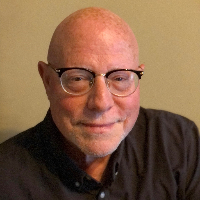
- 38 years experience
- LMHC credential
- Uses multiple approaches
About Michael
He uses plain conversation to find what matters to each person and what gets in the way. Sessions focus on listening, noticing motivation, and identifying practical next steps. Prof. Feldler draws on a mix of approaches to match each person’s situation rather than a single fixed method.
Across his career he has worked in many settings and taught students at both undergraduate and graduate levels for over a decade. That teaching and supervision work informs how he explains things and guides change in clear, usable terms.
In sessions he pays attention to both the obvious problem and the deeper patterns beneath it. He helps people trace the roots of issues like codependency, attachment struggles, or difficulty coping with life changes. The emphasis is on small, steady steps that reduce isolation and increase a sense of agency.
People can expect a straightforward, respectful approach that balances empathy with practical tools. Prof. Feldler aims to create a consistent working relationship where clients can try new ways of thinking and acting. If jealousy or related relationship concerns are part of the picture, he includes those in the work as it arises.
How these approaches guide online work
Acceptance and Commitment Therapy, or ACT, helps people notice thoughts and feelings without being driven by them and then act toward what matters. It can help with anxiety, stress, and sticking to meaningful goals. Cognitive Behavioral Therapy, or CBT, focuses on identifying unhelpful thinking and behavior patterns and practicing new ways of responding; it suits problems like depression, anxiety, and sleep or eating issues. Attachment-Based Therapy looks at how early relationships shape current trust and closeness patterns and can be useful for intimacy and relationship concerns.Finding the right approach is a shared process. The therapist will work together with each person to choose methods that match their goals, preferences, and daily life. Over time the plan can be adjusted based on what helps most.
Session formats are not listed in the biography, so confirm current options before booking. In general, online work can make it easier to fit therapy into a busy schedule, reduce travel time, and allow for shorter check-ins when needed. Some approaches lend themselves to homework or guided exercises that fit into everyday routines, which can be helpful for building new habits between sessions.
Areas of expertise
Primary focus
Also works with
Additional focus areas
Therapeutic approaches
Experience
38+ years
Credentials
New York
Languages
English
Frequently asked questions
What kinds of concerns does he help with?
He helps people with stress, anxiety, addictions, relationship and intimacy-related issues, trauma, depression, grief, and a wide range of life challenges listed in his profile.
What is his therapy style like?
Sessions are conversational and practical. He listens for what matters, explores motivation, and works on both immediate problems and deeper patterns.
How long has he been practicing?
He has 38 years of experience in clinical work and has spent many years teaching and supervising students at the college level.
Where does he practice and what are his credentials?
He practices in New York and holds a New York Licensed Mental Health Counselor credential, shown as LMHC.
Which languages are supported for sessions?
Sessions are offered in English.
Can people from other countries work with him?
He does not accept international clients at this time.
How does payment work and what does it cost?
Cost varies with location and therapist availability; sessions use a subscription that can be canceled at any time.
How do I start a first session?
Click the continue button on this profile, complete a short matching questionnaire, and schedule according to the therapist's availability.