- Person-centred focus
- Practical strategies
- Evidence-informed methods
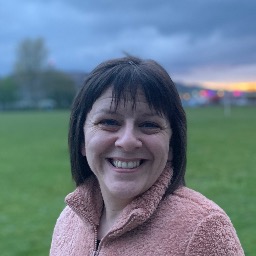
About Paula
She began supporting bereaved people as a volunteer and has sat alongside clients during some of their hardest days. That early work shaped her choice to train in counselling and to take a relational, person-centred approach. Paula is MBACP accredited, which means she holds membership with the British Association for Counselling and Psychotherapy, and she also holds NCPS.
Over time she added new ways of working to suit different needs, including training in cognitive behavioural therapy in 2020. Her practice blends talking, reflection and practical strategies to help with everyday problems. Sessions are paced to the person and aim to help with clearer thinking and steadier mood.
Paula has worked in a range of settings such as GP practices, NHS services, charities, community counselling and employee assistance programmes. This range gives her experience of different kinds of pressure and life situations.
Her style is collaborative and down-to-earth. Whatever is brought to sessions is worked through together, with attention to feelings, story and small steps towards change.
How Paula's approaches work in online therapy
Paula draws on attachment-based and client-centred approaches alongside cognitive behavioural ideas. Attachment-based work looks at how early relationships shape current patterns and can help when jealousy, trust or repeated relationship problems cause distress. Client-centred counselling offers a warm, non-directive space where the person is heard and understood; this helps people feel safer to talk about painful topics. Cognitive behavioural techniques focus on identifying unhelpful thoughts and testing practical changes that can reduce anxiety and improve mood.Finding the right approach is part of the work together. Paula will discuss goals, preferences and what has helped or not helped in the past, and then they will agree on a way forward. That collaborative process means sessions can mix listening, reflection and practical exercises to suit each person.
If you are considering online work, please confirm the current session options before booking as formats are not listed here. Online sessions can make it easier to fit therapy into a busy week, reduce travel time and allow shorter check-ins when needed. They also allow continuity if you move or travel, and make it simpler to join from different locations while you arrange a time that fits your everyday life.
Areas of expertise
Primary focus
Also works with
Additional focus areas
Therapeutic approaches
Experience
16+ years
Credentials
See below
Languages
English
Frequently asked questions
What kinds of problems does she help with?
Paula supports people with issues such as stress, anxiety, grief, relationship and intimacy concerns, low self-esteem and depression. She also works with addictions, ADHD and a wide range of other life challenges listed on her profile.
How would you describe her therapeutic style?
Her work is relational and person-centred, aiming to build a trusting alliance. She blends reflective listening with practical ideas drawn from cognitive behavioural approaches.
What experience does she bring?
She has 16 years of experience, much of it supporting bereaved people as a volunteer and working across NHS, GP practices, charities, community counselling and employee assistance programmes.
What professional credentials does she hold?
She is MBACP accredited, meaning membership of the British Association for Counselling and Psychotherapy, and holds NCPS.
Can sessions be held in languages other than English?
Sessions are offered in English.
Are international clients able to work with her?
She accepts international clients; check scheduling and any time differences when arranging sessions.
How are sessions arranged and paid for?
Costs vary with location and therapist availability and sessions use a subscription that can be cancelled at any time.
What should I do to begin therapy?
Use the continue button on this profile, complete the short matching questionnaire and then schedule sessions according to the therapist's availability.