- Strengths-based approach
- Practical coping tools
- Relationship support
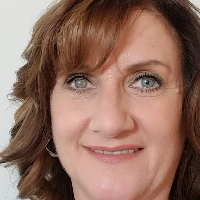
About Phyllis
She approaches counseling in a collaborative way. Sessions start by identifying clear goals and practical steps to reach them. She draws on client-centered methods and evidence-based tools to help people change unhelpful thinking and behaviors.
Phyllis emphasizes strengths and resilience. She looks for what is already working in a person's life and builds on those positives. That approach is used to restore hope and open new perspectives when people feel stuck or overwhelmed.
Her work often includes relationship-focused techniques that help partners communicate and solve problems. She also uses mindfulness skills to reduce anxiety and improve emotional regulation. For people facing family stress, she considers how roles and patterns between people shape current difficulties.
Phyllis adapts methods to each person's situation. She may combine practical cognitive-behavioral exercises, mindfulness practices, and relational work depending on what the client needs. People can expect a warm, goal-focused process with clear steps and support to try new ways of thinking and behaving.
How her approaches guide online work
Phyllis often uses Client-Centered Therapy and Cognitive Behavioral Therapy (CBT) to shape her work. Client-Centered Therapy focuses on listening closely and following the client’s concerns so they feel understood and can set their own goals. CBT provides concrete steps and exercises to change unhelpful thought patterns and behaviors that feed anxiety or relationship conflict.Finding the right approach is part of the therapy process. She collaborates with each person to choose methods that match their needs, goals, and preferences. That means trying things, checking what helps, and adjusting plans together over time.
The original profile did not list specific online session formats, so confirm current options before booking. Online therapy can make it easier to fit sessions into a busy life, reduce travel time, and allow short check-ins when schedules are tight. It also makes regular skill practice and between-session assignments simpler to manage. Licensed professionals can adapt client-centered listening and CBT exercises to remote sessions so progress continues even when meeting virtually.
Areas of expertise
Primary focus
Also works with
Additional focus areas
Therapeutic approaches
Experience
5+ years
Credentials
North Carolina
Languages
English
Frequently asked questions
What concerns does Phyllis help with?
She works with stress, anxiety, relationship and family problems, parenting issues, depression, addictions, grief, intimacy challenges, anger, self-esteem, career concerns, bipolar disorder, ADHD, and related areas.
What is her therapeutic style like?
She practices a collaborative, strengths-based approach that centers client goals and uses practical techniques to change thinking and behavior.
What experience does she bring?
Phyllis has five years of clinical experience working with diverse clients on a range of emotional and relational issues.
What credentials and region are listed?
She is a Licensed Marriage and Family Therapist with an NC LMFT credential and is located in North Carolina.
Which languages are supported and can international clients apply?
Sessions are offered in English. International clients are not currently accepted.
What session formats are available?
The therapist's original profile did not specify session formats; please confirm current session options before booking.
How are fees handled?
Cost varies by location and therapist availability; sessions use a subscription that can be canceled at any time.
How do I begin working with her?
Start by selecting the continue button on this profile, complete a short matching questionnaire, and then schedule according to therapist availability.