- Client-centered
- Goal focused
- Evidence informed
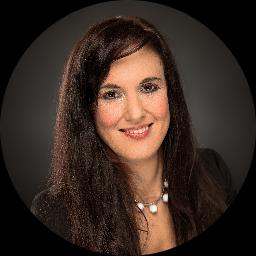
About Racheal
She centers sessions on empathy and collaboration. Racheal helps people increase self-compassion, strengthen communication, and set boundaries that protect their energy. She also guides work on self-esteem, intimacy-related issues, and grief in ways that feel doable week to week.
Her background includes a mix of approaches that are tailored to each person’s needs. She uses client-centered work to follow what matters most to the client. She also draws on cognitive behavioral techniques to shift unhelpful thinking and behavioral patterns.
For people with trauma, she integrates strategies to process difficult memories and reduce their ongoing impact. Mindfulness tools are woven into sessions to support regulation and present-moment awareness. Motivational interviewing helps when change feels stalled or overwhelming.
Racheal aims to make therapy a collaborative process. She meets clients where they are and helps set clear, realistic goals. Her work includes focus areas such as addiction, body image, communication problems, codependency, and coping with life changes.
How therapeutic approaches translate to online care
Client-centered therapy puts the client's priorities first and shapes sessions around what matters most. In practice this means the therapist listens closely, reflects what she hears, and adjusts the plan based on the client's goals and pace. It helps people clarify values and decide practical next steps.Cognitive behavioral therapy, or CBT, focuses on how thoughts, feelings, and behaviors interact. The therapist helps identify unhelpful thinking patterns and tests new ways of behaving. CBT is often useful for anxiety, depression, stress, and many day-to-day struggles.
Dialectical behavior therapy, DBT, brings concrete skills for managing intense emotions and improving communication. It emphasizes distress tolerance, emotion regulation, and interpersonal effectiveness, which can help with anger, relationship challenges, and impulsive behaviors.
Finding the right approach is a collaborative process. The therapist will check in about what feels helpful and adapt methods to meet the client's needs and preferences. Clients and therapist work together to choose tools and track progress over time.
If you are considering online therapy, confirm the session options before booking so you know which formats are available. Online work can make it easier to fit sessions into a busy week, allow shorter check-ins when needed, and reduce travel time. Talk with the therapist about how to structure sessions to match your goals and everyday routines.
Areas of expertise
Primary focus
Also works with
Additional focus areas
Therapeutic approaches
Experience
12+ years
Credentials
Wisconsin
Languages
English
Frequently asked questions
What kinds of concerns does she help with?
She works with a wide range of concerns including stress, anxiety, depression, trauma and abuse, addictions, relationship and intimacy-related issues, grief, eating and sleeping problems, anger, and career or life transitions.
What is her therapeutic style like?
Her style is collaborative and practical. Sessions focus on empathy, clear goals, skill building, and small steps clients can use between meetings.
How much experience does she have?
Racheal has 12 years of clinical experience working with diverse emotional and behavioral concerns.
What are her credentials and where is she based?
She is a licensed clinical social worker, LCSW, practicing in Wisconsin.
Which languages are supported for sessions?
Sessions are offered in English.
Can people from other countries work with her?
She does not accept international clients at this time.
How much do sessions cost?
Cost varies with location and therapist availability; sessions use a subscription that can be canceled at any time.
How do I begin working with her?
Click the continue button on this profile, complete a short matching questionnaire, and schedule according to therapist availability.