- Practical coping skills
- Attachment focused
- Mindfulness and CBT
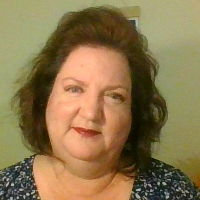
About Rachel
Clients can expect down-to-earth conversations and straightforward tools. Rachel focuses on what is not working now and on small steps to change it. She uses practical strategies to manage mood, sleep, and cravings, and she helps people rebuild trust and intimacy when jealousy or betrayal are present.
Her approach blends attachment-based ideas with cognitive behavioral techniques and mindfulness. That means she pays attention to how early connections shape current feelings and habits, challenges unhelpful thoughts, and teaches simple skills to reduce emotional reactivity. Dialectical behavior therapy skills are used when intense emotions need clear, skillful coping strategies.
Sessions are collaborative and goal-focused. Rachel works with each person to set realistic targets and track progress over time. She also brings motivational interviewing techniques when someone wants help changing behaviors tied to addiction or unhealthy patterns.
People who come for support often want practical changes they can use right away. Rachel aims to make therapy understandable and relevant to daily life. To begin, readers can use the site continue button on this profile, complete a short matching questionnaire, and schedule according to the therapist's availability.
How Rachel's Approaches Work Online
Attachment-Based Therapy looks at how early relationships shape current feelings. Online work with this approach focuses on noticing patterns in trust, closeness, and jealousy and practicing new ways to relate. Cognitive Behavioral Therapy, or CBT, helps people identify unhelpful thoughts and replace them with actions that reduce anxiety and low mood; online sessions often include short skill practice and homework between meetings. Mindfulness Therapy teaches simple attention and breathing practices that lower reactivity and help with sleep, cravings, and intense emotions.Finding the right approach is part of the work. Rachel treats the process as a collaboration and will help decide which methods fit a person's goals, needs, and preferences. She checks in regularly and adapts the plan if something is not working.
Confirm current session options before booking so you know which formats are available. Online work can make it easier to fit therapy into a busy week, shorten commute time, or allow shorter check-ins when needed. It also supports carrying learning straight into everyday routines, like practicing a mindfulness exercise at home or trying new communication skills between sessions. Many people find this flexibility helps keep progress steady while managing life responsibilities.
Areas of expertise
Primary focus
Also works with
Additional focus areas
Therapeutic approaches
Experience
20+ years
Credentials
Florida
Languages
English
Frequently asked questions
What concerns does Rachel help with?
She supports people with stress, anxiety, relationship issues, grief, self-esteem, jealousy, addictions, trauma, and related concerns listed in her specialties.
What is her therapy style like?
Her style is collaborative and direct. Sessions focus on clear goals, practical skills, and tracking small changes over time.
How much clinical experience does she have?
She brings 20 years of experience working with adults on mood, relationship, and behavior concerns.
What credentials and location apply?
Rachel is a Licensed Mental Health Counselor, FL LMHC, and practices in Florida.
Which languages are available for sessions?
Sessions are offered in English.
Can international clients work with Rachel?
She does not accept international clients at this time.
How are costs and billing handled?
Cost varies with location and therapist availability; sessions use a subscription model that can be canceled at any time.
How do I get started with Rachel?
Use the continue button on this profile, complete a short matching questionnaire, and schedule according to the therapist's availability.