- Relationship concerns
- Addictions support
- Emotion-focused care
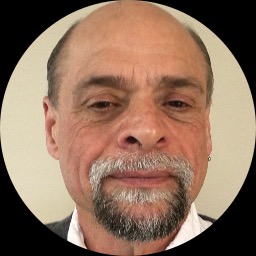
About Richard
He meets each person with respect, sensitivity, and compassion. Sessions are shaped around the client's particular situation rather than a one-size-fits-all plan. Richard aims to make the first steps feel manageable and to clarify what immediate next actions might look like.
Over 36 years in practice he has worked with people dealing with stress, depression, anger, and life transitions like divorce and career change. He also addresses issues such as attachment concerns, codependency, dissociation, and substance misuse. That experience informs a practical, down-to-earth approach to coping and recovery.
In therapy he combines several approaches to match a person's needs. He draws on attachment-based ideas to look at how relationships shape feelings, client-centered methods to follow what matters most to the person, and emotionally-focused techniques to help process strong emotions. Jungian and Imago perspectives sometimes inform deeper exploration when appropriate.
People can expect straightforward conversation, goal-oriented planning, and tools to use between sessions. Richard tailors pacing and focus to suit each person, helping them build more reliable ways of handling stress, intimacy issues, and addictive behaviors.
How his approaches translate to online work
Attachment-Based Therapy looks at how early and recent relationship patterns shape emotional responses. It helps people understand trust, abandonment fears, and how they connect or pull away in close relationships. Client-Centered Therapy centers the person's experience and priorities; the therapist follows what the client raises and supports self-directed change. Emotionally-Focused Therapy (EFT) helps people name and sit with strong feelings, then reorganize patterns so relationships and personal coping feel more reliable.Finding the right approach is part of the work together. Richard will collaborate with each person to see which methods seem most helpful for their goals and preferences. That may mean trying different ways of working early on and adjusting the plan as needs become clearer.
Confirm current session options before booking so you know what formats are offered. Online sessions can make it easier to fit therapy into a busy schedule, reduce travel time, and allow for shorter check-ins when needed. They also let people join from different locations when in-person visits are difficult, while keeping the focus on practical steps and emotional change rather than logistics.
Areas of expertise
Primary focus
Also works with
Additional focus areas
Therapeutic approaches
Experience
36+ years
Credentials
California
Languages
English
Frequently asked questions
What kinds of problems does this therapist help with?
He works with relationship challenges, addictions, anxiety, depression, grief, anger, and intimacy-related issues, among other concerns listed in his specialties.
What is his style in therapy?
He uses a conversational, client-centered style that focuses on what the person brings to the room and tailors plans to their needs.
How long has he practiced?
He has 36 years of professional experience working with people across a range of emotional and relational issues.
Where is he licensed and based?
He holds an LMFT credential and practices in California.
Which languages are supported?
Sessions are offered in English.
Can people outside the U.S. work with him?
International clients are not currently accepted.
How much do sessions cost?
Cost varies with location and therapist availability; sessions use a subscription that can be canceled at any time.
How do I begin working with him?
Use the continue button on this profile, complete a short matching questionnaire, and then schedule sessions according to therapist availability.