- Collaborative approach
- Practical tools
- Attachment focus
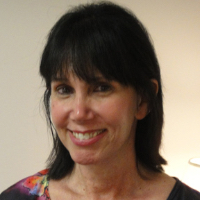
About Ronnie
She favors a collaborative style that asks people to take an active role in sessions. Ronnie draws on attachment-based ideas to look at how early relationships affect current connections. She also uses cognitive behavioral strategies and emotion-focused work to help people change unhelpful thoughts and strengthen emotional awareness.
Her background includes long experience in inpatient psychiatric settings and independent practice in Florida. That history informs how she assesses risk, handles crises, and supports people through big transitions. She often mixes techniques to match each person’s situation rather than relying on a single method.
In sessions Ronnie focuses on building insight, improving self-esteem, and teaching coping skills. She encourages practical steps clients can use between visits, like emotion regulation tools and communication strategies. The goal is to reduce reactivity and help people feel more in charge of their choices.
People who want a therapist who combines practical skills with reflective work may find her approach useful. Ronnie emphasizes building hope and resilience while guiding clients toward greater self-understanding and emotional balance.
How her approaches guide online therapy
Attachment-Based Therapy looks at how early bonds shape current reactions to closeness and trust. Ronnie uses this work to help people notice patterns in relationships and develop healthier ways of connecting. Cognitive Behavioral Therapy (CBT) focuses on spotting and changing unhelpful thoughts and behaviors. It provides practical tools for tackling anxiety, low mood, and reactivity so clients can test new responses in everyday life.Choosing the right approach is a collaborative process. Ronnie works with each person to see which methods match their goals and preferences. She checks in as therapy unfolds and adjusts techniques to fit changing needs, so clients help shape the plan from the start.
The original biography did not specify which online session formats are offered. Confirm the current session options before booking. In general, online therapy can make it easier to fit sessions into a busy week, reduce travel time, and allow shorter check-ins when schedules are tight. It can also make it simpler to continue care during life transitions while using the same therapeutic methods discussed above.
Areas of expertise
Primary focus
Also works with
Additional focus areas
Therapeutic approaches
Experience
30+ years
Credentials
Florida
Languages
English
Frequently asked questions
What issues does Ronnie commonly address?
She works with many concerns including stress, anxiety, depression, trauma and abuse, bipolar disorder, addictions, grief, intimacy-related issues, and relationship struggles.
How would you describe Ronnie’s therapy style?
Her style is collaborative and active. She blends attachment-based ideas, client-centered listening, cognitive behavioral techniques, and emotion-focused work to match each person's needs.
What kind of clinical background does Ronnie have?
She has 30 years of clinical experience, including extensive work on a psychiatric unit and years in independent practice in Florida.
What are her credentials and where is she based?
She is a Licensed Clinical Social Worker, LCSW, licensed in Florida and practices from that state.
Which languages are supported for sessions?
Sessions are offered in English, and she accepts international clients.
What session formats are available?
The original biography did not list specific session formats. Please confirm current session options before booking.
How much do sessions cost?
Cost varies with location and therapist availability; sessions use a subscription that can be canceled at any time.
How do I begin working with Ronnie?
Begin by selecting the continue button on this profile, completing a short matching questionnaire, and scheduling according to the therapist's availability.