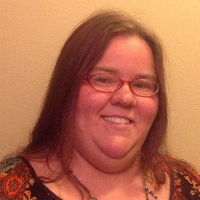
- Warm and approachable
- Goal focused
- Practical strategies
About Sandy
She uses straightforward conversation and practical skills to address stress, anxiety, depression, bipolar concerns, and trauma. Sandy also helps with relationship and intimacy-related issues, jealousy, addiction, parenting strain, caregiver stress, grief, and challenges tied to chronic illness. Her approach aims to help people make clear next steps and feel more hopeful about the future.
Sandy draws on Client-Centered Therapy to keep the conversation focused on each person's goals and experience. She uses Cognitive Behavioral Therapy to identify unhelpful thought and action patterns and offer concrete alternatives. Motivational Interviewing helps when someone is unsure about change or needs extra encouragement to try something different.
Sessions tend to be direct and practical, with room for humor alongside serious reflection. Sandy often uses real-life examples and small experiments between meetings so progress is visible. She also pays attention to life circumstances like work stress and caregiving demands when planning treatment.
People who come to Sandy usually want clear tools and steady emotional support. She encourages honest talk about shame, guilt, impulsivity, jealousy, and relationship strain while working toward achievable goals. To begin, readers are asked to complete the intake process and schedule a time to meet.
How Sandy Uses Talk and Tools in Online Care
Client-Centered Therapy focuses on the person's own goals and experience. The therapist listens closely, asks open questions, and follows the client's lead to build trust and clarity about what matters most. Cognitive Behavioral Therapy looks at how thoughts, feelings, and actions connect; it offers practical exercises to test new ways of thinking and behaving and often helps with anxiety, depression, and impulse control.Finding the right approach is part of the work together. Sandy will collaborate with each person to decide which methods fit their goals and preferences. That means trying things, checking in about what helps, and shifting the plan when needed so sessions feel useful and relevant.
Confirm current session options before booking so you know what formats are available. Online therapy can make it easier to fit care into a busy life, for example by removing travel time, allowing shorter check-ins between work tasks, or letting someone pause a session when interruptions occur. Many people find the combination of focused conversation and practical homework especially helpful when juggling caregiving, work, or chronic health issues.
Areas of expertise
Primary focus
Also works with
Additional focus areas
Therapeutic approaches
Experience
9+ years
Credentials
Texas
Languages
English
Frequently asked questions
What kinds of concerns does Sandy help with?
Sandy works with a wide range of concerns including stress, anxiety, depression, bipolar symptoms, trauma and abuse, addictions, relationship and intimacy issues, parenting strain, caregiver stress, grief, and jealousy.
What is Sandy's therapy style?
Her style is warm and direct. Conversations are client-centered with practical steps and occasional experiments between sessions.
How much clinical experience does she have?
She has nine years of experience as a counselor, working with people from varied backgrounds and life situations.
What are Sandy's credentials and where is she located?
She is a licensed professional counselor - LPC - practicing in Texas.
Which languages are available for sessions?
Sessions are offered in English.
Does she accept clients outside the United States?
She is not currently accepting international clients.
How are session costs handled?
Cost varies with location and therapist availability; sessions use a subscription that can be canceled at any time.
How do I begin working with Sandy?
Select the continue button on this profile, complete a short matching questionnaire, and schedule according to therapist availability.