- Client-centered approach
- CBT and DBT skills
- Mindfulness practices
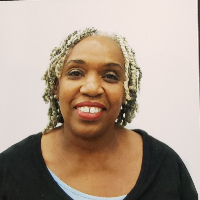
About Sharon
Sharon brings 20 years of experience to the work and draws on both life experience and professional practice. She uses client-centered methods to make space for each person’s story. Cognitive Behavioral Therapy tools are used to notice and shift patterns that get in the way of daily functioning. Dialectical Behavior Therapy skills and mindfulness practices support emotion regulation and present-moment coping.
Sessions often focus on practical steps people can use between meetings. Sharon helps clients break big problems into smaller tasks and build routines that fit their life. She also addresses grief, trauma, intimacy concerns, parenting stress, ADHD-related struggles, and career changes with straightforward strategies and empathy.
People who want clear goals, calm tools for intense emotions, and a supportive listener may find this approach useful. Sharon works from Michigan licensure and holds the LMSW credential. She conducts sessions in English and does not take international clients.
To begin, clients follow the platform’s matching process to connect and schedule according to availability. Sharon emphasizes collaboration and steady progress rather than quick fixes.
How Sharon’s Approaches Work Online
Client-Centered Therapy focuses on listening first. The therapist follows the person’s lead, reflects what they hear, and helps clarify goals. This approach is useful when someone wants understanding and a safe place to describe what’s happening in their life.Cognitive Behavioral Therapy (CBT) looks at the link between thoughts, feelings, and actions. Clients learn to identify unhelpful thinking patterns and try small behavior changes. CBT is often used for anxiety, depression, and stress that affect daily routines.
Dialectical Behavior Therapy (DBT) offers concrete skills for managing intense emotions. Clients practice distress tolerance, emotional regulation, and better interpersonal skills. These techniques can help with anger, relationship conflict, and persistent mood swings.
Choosing the right approach is a shared process. Sharon will work collaboratively to match methods to a person’s goals, needs, and preferences. She may blend client-centered listening with CBT or DBT skills as the work evolves.
The biography does not list specific online session formats, so please confirm available options when you arrange care. Many people find online therapy helps fit sessions into busy lives by reducing travel time, allowing shorter check-ins, and making scheduling easier around work or family. Discuss format preferences during the matching process to find a plan that fits daily routines.
Areas of expertise
Primary focus
Also works with
Additional focus areas
Therapeutic approaches
Experience
20+ years
Credentials
Michigan
Languages
English
Frequently asked questions
What kinds of concerns does Sharon address?
Sharon helps people with stress, anxiety, depression, relationship and family issues, addictions, grief, trauma and related concerns such as intimacy, parenting, ADHD, and career stress.
How would you describe her therapy style?
Her style is direct and compassionate, combining client-centered listening with practical tools from Cognitive Behavioral Therapy and Dialectical Behavior Therapy to manage emotions and change unhelpful patterns.
What is her professional background?
She has 20 years of experience in social work and brings personal and professional insight to sessions to help people move through difficult life events.
Where is Sharon licensed and based?
Sharon holds the LMSW credential and is associated with Michigan for licensing purposes. Sessions and services are described in English.
Does she offer services in other languages or internationally?
Sessions are offered in English. She is not currently accepting international clients.
What session formats are available?
The original biography does not specify session formats; please confirm current session options with the matching and scheduling process before booking.
How are fees handled?
Cost varies with location and therapist availability; sessions use a subscription model that can be canceled at any time.
How do I start working with Sharon?
Select the continue button on this profile, complete the short matching questionnaire, and schedule a time according to the therapist’s availability.