- Client-centered care
- Practical strategies
- Relationship focus
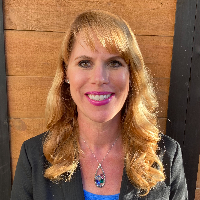
About Sherry
She trained in psychology and counseling, then spent years working both clinically and as a teacher. That mix gave her experience with children, schools, couples, and adults in community clinics and educational settings. Those roles shaped how she notices family patterns and practical pressures that affect daily life.
In sessions she uses Client-Centered and Solution-Focused methods alongside Cognitive Behavioral and Existential approaches. That means conversations center on the person in front of her, with exercises to shift thoughts and small, doable steps toward change. She aims to keep interventions simple and relevant to a client's routine.
Sherry has worked with people facing trauma, addiction, mood disorders, grief, parenting challenges, and life transitions. She also helps with issues such as attachment worries, codependency, body image, and coping with chronic illness or caregiver stress. Her work often involves addressing communication and commitment concerns in relationships.
Her style is collaborative and compassionate. She meets clients where they are and builds strategies together. Clients can expect straightforward conversation, practical tools, and a focus on lasting, manageable change.
How her approaches translate to online care
Sherry draws on Client-Centered Therapy and Cognitive Behavioral Therapy to guide her work. Client-Centered Therapy focuses on listening with empathy and helping people find their own solutions, which helps when sorting relationship or self-esteem concerns. Cognitive Behavioral Therapy looks at links between thoughts, feelings, and actions, and uses concrete exercises to reduce anxiety, depression, or unhelpful reactions.Choosing the right approach is a collaborative process. She will work with each person to decide which methods make the most sense for their goals and daily life. Sessions are meant to be practical and responsive to how the client prefers to work.
Because the original biography did not specify which session formats she uses, confirm current options before booking. Online therapy can make it easier to fit sessions around work, caregiving, or busy schedules and can reduce travel time. It can also allow for shorter check-ins or more flexible timing to help maintain momentum between sessions.
Areas of expertise
Primary focus
Also works with
Additional focus areas
Therapeutic approaches
Experience
10+ years
Credentials
California
Languages
English
Frequently asked questions
What kinds of problems does Sherry help with?
She works with stress, anxiety, depression, relationship and family concerns, trauma and abuse, grief, addictions, intimacy issues, eating and sleeping challenges, parenting strain, ADHD, and related areas like abandonment and codependency.
What is her general therapy style?
Sherry combines Client-Centered, Solution-Focused, Cognitive Behavioral, and Existential approaches. Sessions focus on understanding the person and using practical steps to change unhelpful patterns.
How much clinical experience does she have?
She has 10 years of clinical experience working in clinics, schools, and other settings before returning to clinical practice.
What credentials and region are listed for this therapist?
She is a licensed marriage and family therapist (LMFT) practicing in California.
Does she offer sessions in other languages or to international clients?
Sessions are offered in English and she is not currently accepting international clients.
What session formats are available?
The original biography does not list specific session formats, so confirm current session options before booking to know which formats are offered.
How does pricing work for therapy with her?
Cost varies with location and therapist availability; sessions use a subscription that can be canceled at any time.
How do I begin working with this therapist?
Click the continue button on this profile, complete a short matching questionnaire, and then schedule according to the therapist's availability.