- Compassionate listening
- Practical skills
- Attachment focused
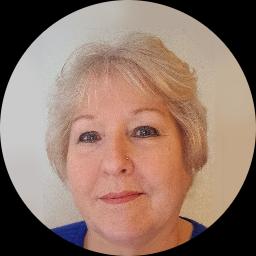
About Tina
She draws on approaches such as Acceptance and Commitment Therapy, Attachment-Based work and Cognitive Behavioral Therapy. These methods are used to help people notice difficult thoughts, build stronger emotional connections, and make small, manageable changes in day-to-day life. Sessions focus on clear steps and real-life skills rather than jargon.
With four years of experience and NCPS on her record, Tina tailors each session to the person in front of her. She talks through past wounds as well as current pressures to uncover patterns that keep problems repeating. The aim is to help people reconnect with others and with themselves.
Tina also addresses concerns such as sleep and eating problems, parenting strains, stress at work, ADHD, and issues around intimacy and self-esteem. She works alongside people coping with chronic illness, caregiving stress, bereavement, and identity questions within LGBT contexts.
Her practical focus means sessions often include straightforward strategies for emotion regulation, improving communication, and coping with change. People who feel stuck or overwhelmed can expect a collaborative process that looks at both feelings and actions.
How therapeutic approaches translate to online work
Acceptance and Commitment Therapy (ACT) helps people notice difficult thoughts and feelings without being driven by them. It focuses on values and small actions that move someone toward a more meaningful life, which can be useful for anxiety, depression, and life transitions.Attachment-Based Therapy looks at how early relationships shape current patterns. It helps people understand why they feel disconnected and learn new ways to relate to others, which can ease relationship strain and intimacy worries.
Finding the right approach is part of the therapy process. The therapist and client work together to decide what techniques fit best for the person’s goals and day-to-day life. That collaborative exploration can include trying different ways of working and adjusting as needs change.
Confirm the exact session options before booking, since the biography does not list formats. In general, online work can make it easier to fit sessions into a busy week, allow for shorter check-ins when needed, and remove travel time. It also means skills and strategies can be practised between sessions in the client’s everyday environment. Registered or accredited professionals can help set realistic goals and adapt exercises so the work feels useful and doable.
Areas of expertise
Primary focus
Also works with
Additional focus areas
Therapeutic approaches
Experience
4+ years
Credentials
See below
Languages
English
Frequently asked questions
What kinds of issues does Tina help with?
She helps people with anxiety, depression, grief, trauma, relationship strain, and questions about meaning and purpose, plus many related concerns like sleep, eating, and stress.
How would you describe her therapy style?
Tina combines compassionate listening with practical techniques drawn from several therapeutic approaches to help people make manageable changes.
What experience does she bring?
She has four years of therapeutic experience working with a range of emotional and relational difficulties.
What credential does Tina hold and where is she based?
Her listed credential is NCPS and she practices in the United Kingdom.
Can I work with her if I live outside the UK?
Sessions are offered in English and she is not currently accepting international clients.
What session formats does she offer?
Please confirm the current session options before booking, as specific formats are not stated in the biography.
How much do sessions cost?
Cost varies with location and therapist availability; sessions use a subscription that can be cancelled at any time.
How do I begin working with her?
Select the continue button on this profile, complete a short matching questionnaire, and schedule according to therapist availability.