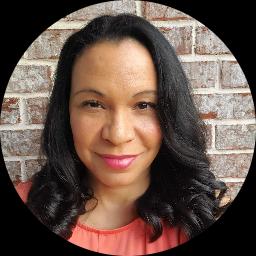
- 25 years experience
- Focus on relationships
- Skills-based approach
About Zoe
Her approach is straightforward and collaborative. She listens first, then helps clients notice patterns in thinking and behavior. She uses tools from cognitive behavioral work and dialectical behavior therapy to teach coping skills and moments of calm. She also draws on client-centered principles to keep sessions focused on each person’s priorities.
Zoe pays close attention to how people communicate and connect. She helps partners identify stuck interaction patterns and offers ways to change them. She also supports people managing loss, chronic stress, caregiver strain, and issues around intimacy and identity.
Practical problem solving is part of sessions. That may mean practicing new ways of speaking, testing small changes between meetings, or learning strategies to reduce anxiety. Zoe helps people notice strengths and build on them so change feels manageable.
She believes counseling is a tool for making life better when someone is ready to work on change. Clients who want clear steps, skills they can use outside sessions, and a supportive therapist often find her style a good fit.
How her approaches translate to online care
Client-Centered Therapy focuses on listening and following what matters most to the client. It helps people feel heard and leads sessions toward what they want to change or understand. Cognitive Behavioral Therapy, or CBT, looks at the links between thoughts, feelings, and actions and teaches techniques to reduce anxiety and shift unhelpful thinking patterns. Dialectical Behavior Therapy, or DBT, offers practical skills for managing intense emotions and improving relationships.Finding the right approach is part of the work together. The therapist will talk with each person about their needs, goals, and what feels like a good fit, then try methods that match those priorities. Clients and the therapist make adjustments as they learn what helps most.
If you are considering online therapy, confirm the session formats available before booking. Online work can make it easier to schedule appointments, reduce travel time, and fit short check-ins into busy days. It also allows people to try skill practice and communication exercises between sessions in everyday settings. Talk with the therapist about what will work for your routine and technical setup so sessions are useful and manageable.
Areas of expertise
Primary focus
Also works with
Additional focus areas
Therapeutic approaches
Experience
25+ years
Credentials
Georgia, Florida
Languages
English
Frequently asked questions
What concerns does Zoe commonly address?
She helps with stress, anxiety, depression, relationship struggles, grief, intimacy-related issues, and trauma and abuse. Other focus areas include parenting, ADHD, caregiver stress, body image, and identity concerns.
How would you describe her therapeutic style?
Her style is collaborative and practical. She listens closely, then uses skill-building and communication work to help clients make small, manageable changes.
What is her background and experience?
Zoe has 25 years in the mental health field and experience working with individuals and couples on relationship and personal concerns.
What credentials and region are listed for Zoe?
She holds LMHC and LPC credentials and practices in Georgia with a background also in Florida licensure.
Which languages are supported and can international clients work together?
Sessions are offered in English, and she accepts international clients.
What formats are available for sessions?
Please confirm current session options before booking so you know which formats are offered at the time of scheduling.
How are costs handled for sessions?
Cost varies with location and therapist arrangements; sessions use a subscription that can be canceled at any time.
How do I begin working with Zoe?
Click the continue button on this profile, complete a short matching questionnaire, and schedule according to the therapist's availability.